What Counts as Insurance Bad Faith in New Mexico: A Clear Guide
When you pay your insurance premiums every month, you expect your insurer to be there when disaster strikes. But what happens when the insurance company refuses to hold up its end of the deal? In New Mexico, that refusal has a name - and it carries real legal consequences. Insurance bad faith is not just a frustrating experience; it is an actionable legal wrong that can entitle you to significant compensation. This guide breaks down exactly what counts as insurance bad faith under new mexico law, the specific conduct that crosses the line, and what you can do to protect yourself.
Key Takeaways
-
Insurance bad faith in New Mexico means an insurer's frivolous or unfounded refusal to pay or handle claims fairly - it goes beyond a simple mistake or honest disagreement over value. Insurance bad faith is a refusal to pay valid claims, and new mexico courts treat it as a serious legal violation.
-
New Mexico recognizes both first-party and third-party bad faith insurance claims, covering auto, health, life, homeowners, disability, and commercial policies. A bad faith insurance claim can arise whenever an insurer breaches its legal duty to its policyholder.
-
Bad faith conduct can include unreasonable delays, lowball settlement offers, failure to investigate, misrepresenting insurance coverage, wrongful denial, or refusal to defend or settle within policy limits.
-
Victims of bad faith may recover unpaid benefits, financial losses caused by the delay, emotional distress damages, attorney fees, and sometimes punitive damages under new mexico law.
-
If you suspect your insurer is acting in bad faith, call Shekter Rosete Law, PC at (505) 216-2510 or send a confidential message online for a free consultation. We represent individuals anywhere in New Mexico.
What Is Insurance Bad Faith Under New Mexico Law?
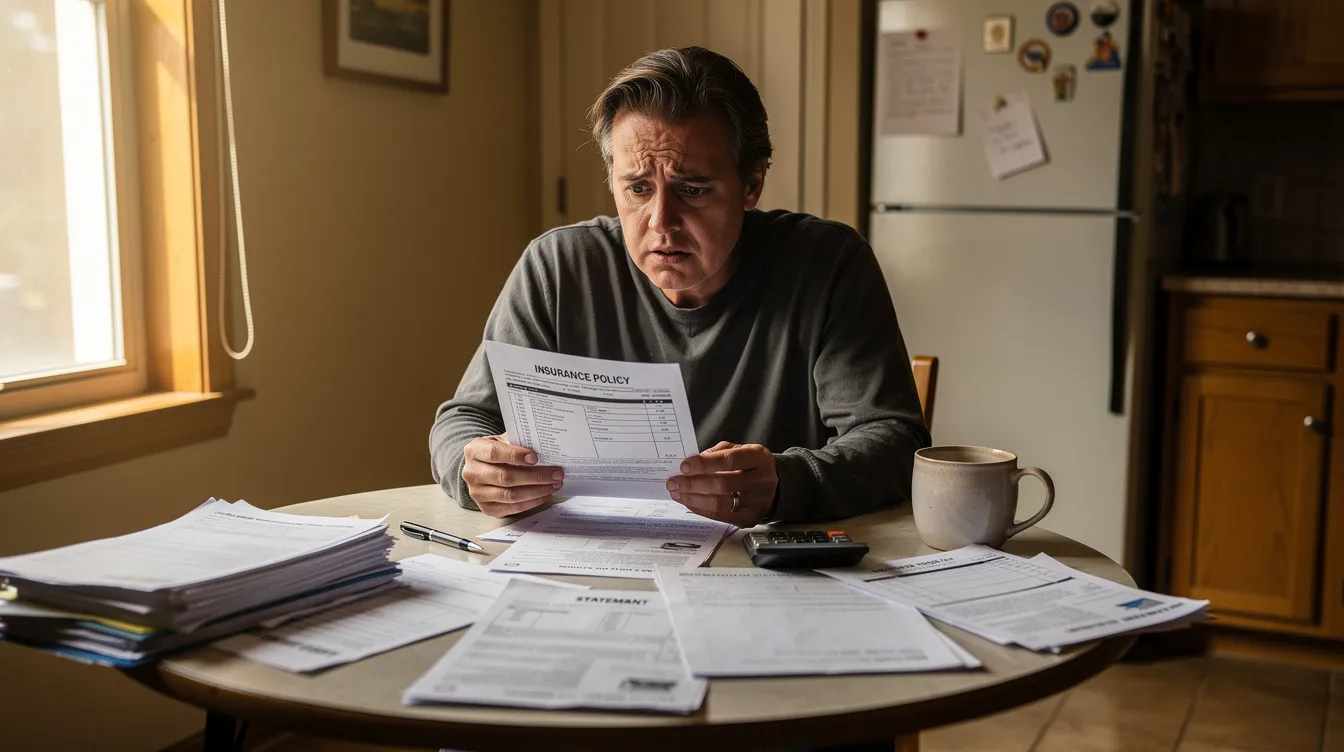
A bad faith insurance claim in New Mexico arises when an insurer intentionally or recklessly fails to fairly investigate, evaluate, or pay a valid claim. This is not about a simple clerical error or a good faith disagreement over the value of your injuries - it is about conduct that no reasonable insurer would engage in.
New Mexico law imposes an implied covenant of good faith and fair dealing in every insurance contract. This means your insurer must put your interests on equal footing with its own. When an insurance company ignores that obligation - by denying your claim without a reasonable explanation, dragging its feet for months, or twisting policy language to avoid payment - it may be committing bad faith. Under new mexico law, bad faith claims are considered an independent tort, meaning you can pursue damages beyond the original insurance policy benefits.
Bad faith insurance practices can arise in nearly every type of insurance coverage: auto policies (including UM/UIM, liability, and MedPay), homeowner's insurance policy claims, commercial policies, life insurance, disability, and health insurance. The New Mexico Unfair Insurance Practices Act (NMSA 1978, § 59A-16-20) prohibits misrepresenting policy provisions, failing to investigate, and refusing to pay without a reasonable basis - among many other unfair settlement practices.
Shekter Rosete Law, PC focuses on insurance bad faith as one of its nine core practice areas, representing individuals - never insurance companies - across Albuquerque, Las Cruces, Rio Rancho, Santa Fe, Roswell, Farmington, Hobbs, Taos, and throughout New Mexico.
Common Bad Faith Insurance Practices in New Mexico
Recognizing common bad faith tactics is the first step toward knowing when you need legal help. Not every frustrating decision by your insurer is legally actionable - but when a pattern of unreasonable conduct emerges, it often crosses the line into bad faith.
Here are concrete examples of bad faith insurance practices that violate new mexico law:
-
Unreasonable delays in paying or investigating claims, including rotating adjusters so no single person takes responsibility.
-
Failure to conduct a reasonable investigation before denying a claim - such as ignoring medical records or refusing to inspect property damage.
-
Misrepresenting policy terms , limits, or exclusions to convince you that your loss is not covered.
-
Lowball settlement offers far below your documented losses, designed to pressure you into accepting less than you deserve.
-
Wrongful denial of coverage without a reasonable basis in the facts or the policy language.
-
Failure to defend or settle within policy limits when liability is reasonably clear.
-
Excessive or repetitive document demands meant only to stall your claim.
-
Wrongful policy cancellation or non-renewal to avoid paying a legitimate claim.
These tactics appear across cases involving car accidents, motorcycle crashes , truck collisions , medical malpractice , nursing home injury , wrongful death , and other serious injuries. New Mexico's Unfair Insurance Practices Act serves as the statutory backdrop for many of these bad faith claims, making it clear that insurers must communicate clearly and avoid unreasonable denials.
Are you facing delays, denials, or suspicious tactics from your insurer? Call Shekter Rosete Law, PC at (505) 216-2510 or contact us online for a free bad faith case review.
First-Party vs. Third-Party Insurance Bad Faith Claims
New Mexico recognizes two main categories of insurance bad faith: first-party claims (disputes with your own insurer) and third-party claims (disputes involving another party's insurer in a liability situation). Both categories can lead to bad faith litigation, but the legal duties, standards, and practical strategies differ significantly.
Understanding which type applies to your situation matters because it shapes the evidence you need, the damages you can pursue, and the legal standard the court will apply. Shekter Rosete Law, PC handles both first-party and third-party insurance bad faith claims, often in conjunction with an underlying personal injury or wrongful death case.

First-Party Bad Faith Claims in New Mexico
A first party bad faith claim is one brought by a policyholder against their own insurance company for refusing to pay benefits or mishandling the claim. First-party claims involve disputes with your own insurer - you paid your premiums, you have a covered loss, and the company refuses to honor the deal.
Common New Mexico examples include:
-
An auto insurer refusing to pay uninsured or underinsured motorist (UM/UIM) benefits after a serious car accident in Albuquerque or Santa Fe. First-party bad faith may occur with uninsured motorist claims when the insurer denies benefits despite clear evidence of injury and coverage.
-
A health insurer denying medically necessary treatment recommended by physicians without a reasonable medical basis.
-
A homeowners insurer denying fire, hail, or windstorm damage in places like Rio Rancho, Roswell, or Farmington by incorrectly blaming "wear and tear."
First-party bad faith often involves wrongful claim denial, lowball offers, unreasonable delays, or misapplication of policy exclusions. Under UJI 13-1702 NMRA , new mexico courts instruct juries that an insurer acts in bad faith when it refuses to pay for reasons that are frivolous or unfounded - not when it makes a decision that is reasonable under the policy.
Policyholders who prove first-party bad faith may recover unpaid benefits, additional economic losses suffered because of the delay or denial, and sometimes emotional distress and punitive damages in egregious cases. If your own insurer has unfairly denied your claim, preserve all denial letters, emails, adjuster notes, and claim paperwork - these documents are critical evidence.
Third-Party Bad Faith Claims in New Mexico
A third party bad faith claim involves a liability insurer's handling of a claim asserted by someone injured by the policyholder. Third-party claims involve disputes with another driver's insurer - for example, the at-fault driver's auto insurance company after a collision. Third-party bad faith often arises from undervalued injury claims where the insurer refuses to offer fair compensation.
New Mexico law requires liability insurers to reasonably investigate, evaluate, and attempt to fairly settle claims within policy limits when liability is reasonably clear. When an insurer fails to do so, the consequences can be severe - not just for the injured person, but for the insurer's own policyholder who faces exposure to an excess verdict.
Concrete examples:
-
An at-fault driver's insurer in Las Cruces refusing to settle a serious truck accident case within a $100,000 policy limit, exposing its own insured to a multi-million-dollar verdict.
-
An insurer ignoring clear medical records from an Albuquerque motorcycle crash and refusing to offer any reasonable settlement to the injured person.
If the insurer's refusal to settle within limits is reckless or intentional, new mexico law may allow additional bad faith damages. In Dydek v. Dydek (2012) , the New Mexico Court of Appeals upheld an excess judgment and punitive damages against USAA after the insurer failed to make a timely policy-limits settlement offer when liability exposure was clearly in excess. The policyholder's rights to pursue damages for the insurer's conduct can sometimes be assigned to the injured party.
Shekter Rosete Law, PC can evaluate whether an excess verdict or repeated refusal to settle justifies pursuing a third-party bad faith lawsuit alongside the underlying personal injury claim.
Specific Conduct New Mexico Courts Consider Insurance Bad Faith
New Mexico appellate cases and statutes have identified patterns of insurer's conduct that support an insurance bad faith claim when done intentionally or with reckless disregard of the policyholder's rights. Mexico courts distinguish between mere negligence - which may be unfair but is generally not actionable as bad faith - and conscious or reckless disregard that rises to the level of bad faith conduct.
The following subsections cover key categories often litigated in New Mexico insurance bad faith cases. If you suspect any of these patterns, consult an experienced insurance bad faith lawyer promptly, because statutes of limitation can bar late claims.
Failure to Properly Investigate a Claim
Insurers must investigate claims promptly under new mexico law. Under § 59A-16-20(C), insurers must adopt and follow reasonable standards for prompt investigation and processing of claims. Denying claims without proper investigation is a common bad faith tactic that mexico courts have repeatedly scrutinized.
Examples of investigation failures include:
-
Adjusters denying a car accident claim without reviewing police reports, crash photos, or medical records from local hospitals and clinics.
-
A homeowners insurer refusing to send an engineer or contractor to inspect hail or wind damage in Hobbs or Taos before denying the claim.
-
An insurer relying solely on the at-fault driver's statement while ignoring statements from independent witnesses - effectively ignoring medical records or evidence that supports the claim.
A reckless or intentional failure to investigate - such as ignoring available evidence or refusing to obtain key records - can constitute bad faith. Simple oversight or minor mistakes usually do not. Claim file audits, internal emails, and adjuster notes often reveal whether the insurer actually investigated or just looked for excuses to deny coverage.
Shekter Rosete Law, PC routinely obtains and analyzes full claim files in discovery to uncover failures to investigate in both first-party and third-party bad faith cases.
Unreasonable Delay in Handling or Paying Claims
New Mexico law requires insurers to respond to claims within a reasonable time. Insurers must affirm or deny coverage within a reasonable time frame after receiving proof of loss. While there is no single rigid deadline for every claim, unreasonable delays in claims processing can indicate bad faith - especially when the insurer has enough information to make a decision.
Common delay tactics include:
-
Rotating adjusters so no one ever takes responsibility for resolving the claim.
-
Requesting the same medical records multiple times from providers in Albuquerque, Santa Fe, or Roswell. Delays can occur through excessive documentation requests or rotating adjusters specifically designed to stall.
-
Going silent for weeks or months after receiving a complete settlement demand package from an attorney.
Prolonged, unexplained delays - especially when liability and damages are reasonably clear - can be a form of bad faith aimed at pressuring financially stressed policyholders to accept less. These delays cause additional damages, including late fees, credit damage, lost income, and aggravated emotional distress, all of which may be recoverable in a bad faith lawsuit.
If you have been waiting months for a response, don't wait any longer. Call (505) 216-2510 or use our secure online contact form for timely help.
Unjustified Claim Denials and Misrepresentation of Coverage
New Mexico law prohibits insurers from misrepresenting policy terms. Denying a claim without a reasonable basis in the facts or the policy language can constitute insurance bad faith. Insurers must communicate clearly and avoid unreasonable denials - yet unjustified denials remain one of the most frequent complaints from policyholders.
Clear examples include:
-
Stating that a car accident victim "wasn't really injured" despite emergency room records, MRI results, and specialist opinions.
-
Invoking an exclusion that clearly does not apply - such as denying hail damage as "wear and tear" or denying a fire claim as "arson" without any credible investigation.
-
Misrepresenting policy limits, saying there is "no UM/UIM coverage" when the declarations page and premium charges show otherwise. This is a direct violation of the new mexico statute prohibiting misrepresentation of policy provisions.
Bad faith is more likely to be found where the insurer denied coverage by ignoring clear evidence or twisting policy language in a way no reasonable insurer would accept. However, if the coverage issues are "fairly debatable" - meaning a reasonable insurer could interpret the policy either way - that typically is not bad faith.
Policyholders should save every denial letter, explanation of benefits, and copy of their insurance policy. An attorney can compare the stated reasons against the actual policy to identify bad faith misrepresentations of coverage issues.
Lowball Settlements and Refusal to Pay Fair Value
Insurers must fairly evaluate claims and accept reasonable settlement offers when liability is clear. Lowball settlement offers may constitute bad faith in insurance claims - particularly when the offer is dramatically below the documented losses and the insurer has no reasonable basis for the gap.
Practical examples:
-
Offering only $5,000 total on a car accident case where medical bills from Albuquerque and Rio Rancho providers already exceed $15,000 and there is clear liability.
-
Refusing to increase a settlement offer despite new medical evidence showing a mild traumatic brain injury, spinal surgery, or permanent impairment from a truck crash .
A difference of opinion on value is not automatically bad faith. But persistent, unjustified low offers in the face of strong evidence may show that the insurer acted unreasonably - demonstrating reckless disregard for the policyholder's rights. When an insurance company refuses to pay fair value, filing suit can sometimes lead to recovery of additional compensatory damages and punitive damages beyond the original policy limits.
Shekter Rosete Law, PC regularly evaluates whether offers after car, motorcycle, truck accidents, medical malpractice, or nursing home injury cases reflect fair value under new mexico law, especially in catastrophic claims with serious injuries.
Refusal to Defend or Settle Within Policy Limits
Liability insurance policies typically impose a legal duty to defend the insured and to consider reasonable settlement offers within policy limits when liability is reasonably clear. Insurers must make fair settlement offers when liability is clear - and failing to do so can expose both the insured and the insurer to devastating consequences.
When an insurer refuses to defend a policyholder sued after a car crash, truck accident, or wrongful death case - or provides a grossly inadequate defense - that can be bad faith in New Mexico. Similarly, when an insurer gambles with the policyholder's money by refusing to fairly settle a claim and an excess verdict results, the insurer may be liable for the entire judgment.
Consider this scenario: an insurer refuses to accept a policy-limits settlement on a clear-liability collision in Farmington. The case goes to trial. The jury returns a verdict far above the policy limits. Under new mexico law, the insured (or an assignee) may seek bad faith damages for the excess judgment - meaning the insurer's refusal to settle becomes far more expensive than paying the original demand.
Early legal representation is critical when a settlement demand has been made close to the policy limits. If the insurer fails to respond reasonably, the policyholder's exposure can multiply quickly.
The "Sloan" Standard and Punitive Damages in New Mexico Bad Faith Cases
The New Mexico Supreme Court's decision in Sloan v. State Farm (2004) established the controlling standards for punitive damages in bad faith insurance cases. Punitive damages punish insurers for reckless conduct and deter similar behavior across the industry.
Under the Sloan standard:
-
In first-party (failure-to-pay) cases, a "frivolous or unfounded refusal to pay" can support punitive damages when the insurer acted with conscious wrongdoing - such as ignoring clear evidence or intentionally misusing policy language.
-
In third-party (failure-to-settle) cases, punitive damages may be warranted when the insurer's refusal is based on dishonest or unfair balancing of its own interests against the insured's interests.
Punitive damages are not automatic. They are reserved for the most egregious bad faith insurance practices and require proof of a culpable mental state - reckless, malicious, willful, or wanton conduct. But when they are awarded, they can be substantial. New Mexico juries in serious bad faith cases have returned multi-million-dollar verdicts when insurers could have settled for a fraction of that amount.
An experienced insurance bad faith attorney must carefully evaluate whether the facts of a particular case justify pursuing punitive damages. Not every bad faith claim warrants them, but when the insurer's conduct is truly outrageous, punitive damages send a powerful message.
How to Document and Prove a Bad Faith Insurance Claim
Strong documentation is what transforms suspicious claim handling into a provable bad faith insurance claim in new mexico courts. Policyholders can take proactive steps to document communications and claims from the very beginning - and doing so often makes the difference between a successful case and a missed opportunity.
Key documents and evidence to gather include:
-
Complete copy of the insurance policy, including declarations, endorsements, and amendments.
-
All letters, emails, and text messages from the insurer or adjusters. Document all communications with the insurance company.
-
Denial letters and explanations of benefits (EOBs) for health or disability claims. Keep records of claim letters and denial notices.
-
Notes of phone calls, including dates, times, and names of representatives.
-
Medical records, medical bills, repair estimates, photos, and expert opinions supporting the underlying claim.
-
Copies of all settlement demands sent and any settlement offer received.
-
Document delays in communication or claim processing - track exactly how long each response takes.
-
Gather evidence of the insurer's investigation efforts (or lack thereof).
In bad faith litigation, attorneys use subpoenas and discovery to obtain internal claim notes, training materials, and emails showing whether the insurer followed its own rules and new mexico law. Do not rely solely on what the adjuster says - request every decision in writing and keep organized files.
Shekter Rosete Law, PC conducts detailed claim-file audits, often uncovering patterns of delay, misrepresentation, or internal disagreement that support a bad faith claim.
Damages Available in New Mexico Insurance Bad Faith Claims
When an insurer is found liable for insurance bad faith, new mexico law provides several categories of damages to help policyholders recover compensation for the harm caused by the insurer's misconduct.
|
Damage Category |
What It Covers |
|---|---|
|
Unpaid Policy Benefits |
The benefits wrongfully withheld under the insurance policy |
|
Additional Financial Losses |
Out-of-pocket medical costs, late fees, foreclosure risk, lost income caused by the delay or denial |
|
Emotional Distress |
Mental anguish, anxiety, humiliation caused by the insurer's conduct |
|
Attorney Fees and Costs |
Legal expenses, especially where statutory violations are proven |
|
Punitive Damages |
Monetary punishment for reckless, malicious, or willfully indifferent conduct |
|
Post Judgment Interest |
Interest accruing on the judgment amount after trial |
|
Treble Damages |
May apply for willful violations of the law in certain cases |
Compensatory damages cover medical bills and lost income - the tangible financial losses you suffered because the insurer refused to handle your claim fairly. Emotional distress damages are recoverable in bad faith claims when the insurer's conduct causes significant mental anguish, and attorney fees may be awarded if the insurer acted unreasonably.
In the most egregious insurance bad faith cases, punitive damages can dramatically increase the total recovery. These damages are designed not to compensate you, but to punish the insurer and deter future misconduct. In cases involving excess judgments - where the insurer refused to settle within policy limits - the insurer may also owe the full amount of the verdict, far beyond what it would have paid if it had acted in good faith.
Each case is fact-specific. Contact Shekter Rosete Law, PC for a free consultation to discuss the likely range of damages in your situation.
How Shekter Rosete Law, PC Helps With Insurance Bad Faith Claims
Shekter Rosete Law, PC is a New Mexico trial firm that focuses on serious personal injury, wrongful death, and insurance bad faith litigation. The firm does not represent insurance companies or large corporations - only individuals.
Founding partners Jamison Shekter and Mixcoatl "Mish" Miera-Rosete are based in Albuquerque and litigate bad faith insurance claims statewide, including Las Cruces, Rio Rancho, Santa Fe, Roswell, Farmington, Hobbs, Taos, and surrounding communities. Both attorneys have litigated complex state and federal cases since 2017, including mexico personal injury cases, medical malpractice, catastrophic claims, civil rights, and insurance disputes.
Here is how the firm helps clients with insurance bad faith cases:
-
Claim file review: Reviewing denial letters, claim files, and policy language to identify evidence of bad faith conduct.
-
Expert coordination: Working with medical, financial, and insurance experts to prove both the underlying loss and the insurer's misconduct.
-
Aggressive negotiation: Preparing detailed settlement demands and negotiating with insurers to recover damages quickly.
-
Litigation and trial: Filing bad faith lawsuits in New Mexico state or federal court and taking cases to trial when the insurer refuses to do what is right.
The firm operates on a contingency-fee model: clients pay no attorney fees unless the firm obtains a settlement or verdict. This means you can file suit and stand up to a powerful insurance company without paying out of pocket.
Ready to fight back against your insurer? Call Shekter Rosete Law, PC at (505) 216-2510 or send a message through our online contact form to schedule a free, confidential insurance bad faith consultation.

What To Do If You Suspect Insurance Bad Faith in New Mexico
If you believe your own insurer or another driver's insurer is acting in bad faith, here is a step-by-step roadmap:
-
Stay calm and get everything in writing. Request a written, reasonable explanation for any denial or delay. Do not accept verbal-only responses.
-
Gather all relevant documents. Collect your insurance policy, all correspondence, medical bills, repair estimates, and medical records. These form the foundation of any bad faith claim.
-
Avoid recorded statements or broad releases. Do not sign anything or give a recorded statement to the insurer before speaking with an attorney. Insurers may use your words against you later.
-
Track timelines. Note when the claim was filed, when documents were submitted, and how long responses take. Document delays carefully - they can be critical evidence.
-
File a complaint with the New Mexico Office of Superintendent of Insurance (OSI) for record-keeping purposes. While a regulatory complaint alone may not resolve your case, it creates an official record that can support future litigation.
-
Consult a New Mexico insurance bad faith lawyer promptly. An attorney can evaluate whether the conduct crosses the line from unfair to legally actionable bad faith and advise you on preserving evidence.
Acting early preserves crucial evidence and prevents the statute of limitations from expiring on a potential bad faith claim. Shekter Rosete Law, PC offers free consultations and can quickly identify whether there is enough evidence to pursue a bad faith claim alongside an underlying car accident , motorcycle accident, truck accident, medical malpractice, or nursing home injury case.
Don't wait until it's too late. Call (505) 216-2510 now or reach out through our secure online contact page for fast, personalized guidance.
Frequently Asked Questions About Insurance Bad Faith in New Mexico
The following answers address common questions about bad faith insurance claims in New Mexico. These answers are for general information only and do not create an attorney-client relationship. For advice specific to your situation, contact Shekter Rosete Law, PC at (505) 216-2510 or through the online contact form .
How do I know if my denied claim is "bad faith" or just a disagreement?
A simple mistake, honest dispute over value, or reasonable interpretation of policy language is usually not bad faith. Under New Mexico case law - including United Nuclear Corp. v. Allendale Mutual Insurance Co. - if the coverage or value question is "fairly debatable," the insurer has room to take a position without committing bad faith.
Bad faith generally requires showing the insurer acted unreasonably, recklessly, or with a frivolous or unfounded refusal to pay or investigate. Warning signs include ignored evidence, repeated delays without explanation, obvious misrepresentation of coverage, and refusal to provide a reasonable explanation for a denial.
The safest way to tell the difference is to have an experienced New Mexico insurance bad faith attorney review the denial letter, policy, and claim file against the actual facts.
Can I bring a bad faith claim if my insurer eventually paid but took a very long time?
Yes. In some cases, unreasonable delay alone can support a bad faith claim even if the insurer ultimately pays. Mexico courts look at whether the delay was justified by a legitimate need for further investigation or was used as a tactic to pressure the policyholder into accepting less than what was owed.
Damages from delay can include additional financial losses - such as late fees, credit damage, and lost income - as well as emotional distress caused by months of uncertainty. If you experienced prolonged, unexplained delay, contact an attorney to evaluate whether the delay crossed the legal line into bad faith.
Does insurance bad faith law apply to health and disability insurance in New Mexico?
New Mexico recognizes bad faith claims against health and disability insurers. Examples include denying necessary surgery, cancer treatment, or long-term disability benefits without a reasonable medical or contractual basis. However, some employer-sponsored plans fall under federal ERISA rules, which provide different (and often more limited) remedies.
Bring your benefit plan documents, denial letters, and any correspondence to a consultation so an attorney can determine whether state bad faith remedies or ERISA rules apply to your situation. Shekter Rosete Law, PC evaluates health, disability, and medical insurance denials on a case-by-case basis.
How long do I have to file an insurance bad faith lawsuit in New Mexico?
Time limits - known as statutes of limitation - for bad faith claims can vary depending on whether the claim is based on contract, statute, or tort. As a general rule, many insurance bad faith claims carry a two-year statute of limitations, but the exact deadline depends on the type of policy, the specific facts, and when the insured first suffered damage.
Waiting too long can permanently bar your claim. Only a case-specific review can determine the exact deadline, so it is critical to consult an attorney as soon as you suspect bad faith - do not assume you have plenty of time.
What will it cost me to hire Shekter Rosete Law, PC for an insurance bad faith case?
Shekter Rosete Law, PC handles insurance bad faith claims on a contingency fee basis, meaning clients generally pay no attorney fees unless the firm recovers money for them. The firm offers free initial consultations to review potential bad faith cases and discuss fee structures in plain language.
This model allows injured New Mexicans to stand up to powerful insurance companies without paying anything out of pocket. There is no financial risk in calling to find out whether you have a case.
A final word: if your insurance company refuses to treat your claim fairly - whether through unreasonable denials, delay tactics, or lowball offers - you have rights under new mexico law. Call Shekter Rosete Law, PC at (505) 216-2510 or send a confidential message online today. Your consultation is free, and you pay nothing unless we win.