Mild Traumatic Brain Injury Rear End Collision: A Case Study in New Mexico
Even a “minor” rear-end collision on I-25, I-40, or Paseo del Norte can cause a mild traumatic brain injury rear end collision—sometimes without your head ever striking anything. This page provides a comprehensive guide to the medical, legal, and practical aspects of mild traumatic brain injury (mTBI) after rear-end collisions in New Mexico. It is designed for accident victims and their families who need to understand the risks, symptoms, and steps to take after such an event. This topic matters because mild TBIs are often hidden injuries with delayed symptoms, and knowing your legal rights is crucial for recovery and compensation.
A traumatic brain injury (TBI) refers to a brain injury that is caused by an outside force. In the context of car accidents, especially rear-end collisions, these injuries can occur even if there is no direct blow to the head. It is essential to seek medical evaluation after a rear-end collision, even when no immediate pain is felt, to check for hidden injuries.
What Is a Mild Traumatic Brain Injury (mTBI)?
A mild traumatic brain injury, often called a concussion, occurs when your brain experiences sudden movement inside your skull due to an external force. In rear-end collisions, the rapid acceleration-deceleration forces cause your brain to shift, twist, and potentially bounce against the inner walls of your skull. This can happen even at relatively low speeds and without any direct impact to your head.
A concussion is a type of mild TBI that may take minutes to several months to heal. Loss of consciousness is not required for a brain injury diagnosis. Many car accident victims remain fully alert during and after the crash yet still suffer significant brain trauma that affects their daily functioning.
Next, we’ll discuss the immediate answers and red-flag symptoms to watch for after a rear-end crash.
Mild TBI After a Rear-End Crash
Red-flag symptoms to watch for after a rear-end collision:
Persistent headaches or pressure in the head
Confusion or feeling mentally foggy
Memory gaps, especially about the crash itself
Nausea or vomiting
Dizziness and balance problems
Sensitivity to light or noise
Changes in sleep patterns
Mood changes, irritability, or anxiety
These symptoms can be delayed for hours or even days after your accident. The body’s release of adrenaline immediately following a crash can temporarily mask pain and injury, meaning you might feel fine at the scene only to develop serious symptoms later. Emergency rooms often focus on ruling out life-threatening injuries and may miss subtle signs of mild TBI.
It is essential to seek medical evaluation after a rear-end collision, even when no immediate pain is felt, to check for hidden injuries. Emergency medical attention should be sought if experiencing worsening headaches, slurred speech, or repeated vomiting, which may indicate severe brain trauma.
If you’ve been rear-ended anywhere in New Mexico—Albuquerque, Santa Fe, Las Cruces, Roswell, Farmington, Hobbs, Rio Rancho, or Taos—seek immediate medical care and monitor your symptoms closely in the days that follow.
Insurance companies routinely downplay mild TBI claims from rear-end collisions. They may argue that your symptoms are “just stress” or that normal imaging rules out brain injury. At Shekter Rosete Law, PC, we know how to prove these cases with medical experts and careful documentation. Call us at (505) 216-2510 or message us online through our secure contact form for a free consultation.
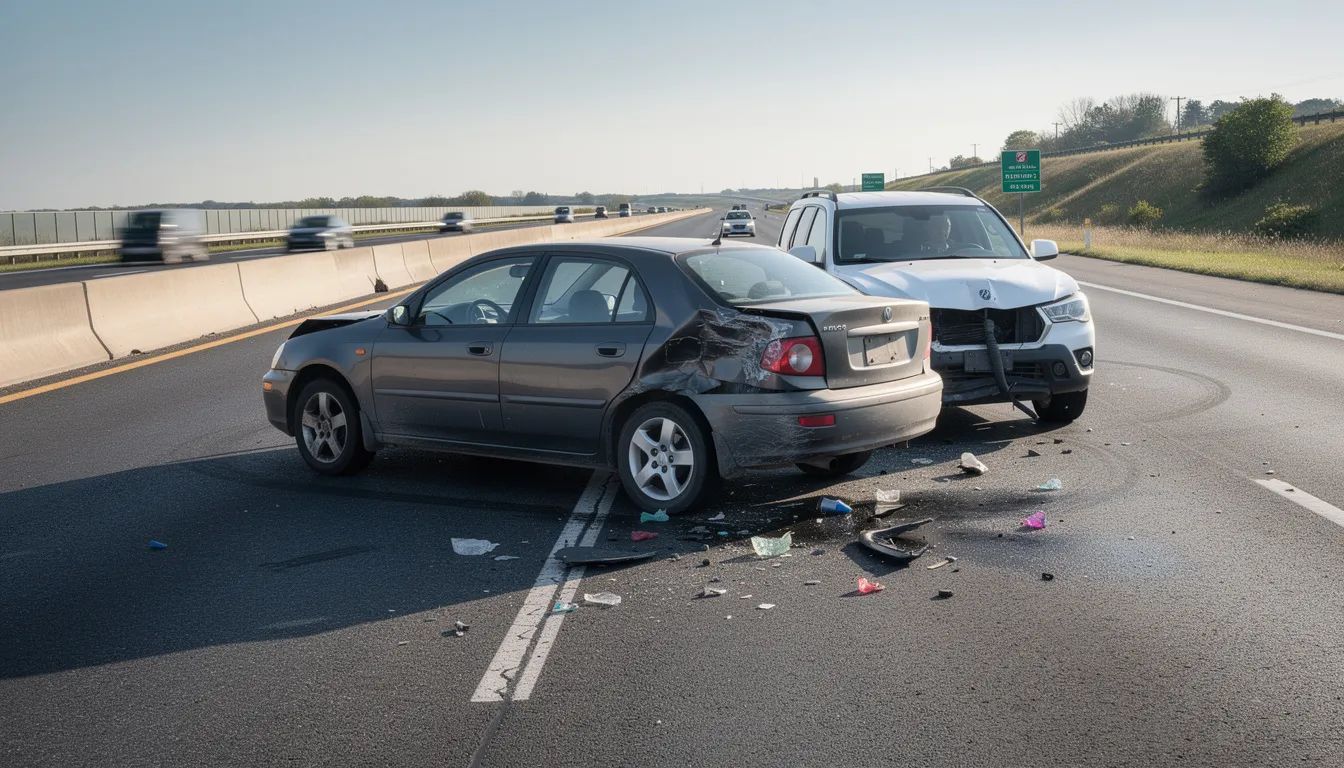
Next, we’ll explain how rear-end collisions can cause mild traumatic brain injury.
How Rear-End Collisions Cause Mild Traumatic Brain Injury
Rear-end impacts are among the most common types of crashes in New Mexico. Stop-and-go traffic in Albuquerque, distracted drivers on U.S. 550 or U.S. 285, and tailgating on busy interstates create daily opportunities for these collisions. When your vehicle is struck from behind, the impact creates rapid acceleration-deceleration forces that your body—and your brain—are not designed to handle.
The leading causes of traumatic brain injury (TBI) include falls, motor vehicle accidents, and sports injuries. Traumatic brain injuries can result from severe blows or jolts to the head, such as those experienced in car accidents.
The Mechanics of Brain Injury Without Head Contact
In a rear-end collision, your skull may never hit the steering wheel, headrest, or window. But that doesn’t mean your brain escapes injury. Here’s what happens:
Initial impact: When another vehicle strikes yours from behind, your body accelerates forward rapidly.
Brain movement: Your skull moves, but your brain—floating in cerebrospinal fluid—lags behind, then catches up and may strike the front of your skull (coup injury).
Rebound effect: Your head then snaps backward, potentially causing your brain to strike the back of your skull (contrecoup injury).
Rotational forces: During this process, rotational movements create shearing stress on the brain's white matter, which is crucial for nerve signal transmission and communication within the brain, as well as on delicate nerve fibers.
This mechanism explains why even “minor” fender-benders can cause diffuse axonal injury—widespread microscopic damage to the brain's white matter that doesn’t show up on standard CT scans or magnetic resonance imaging.
Primary and Secondary Brain Injury
Understanding the difference between primary and secondary injury helps explain why mild TBI symptoms often worsen over time:
Primary injury refers to the immediate microscopic damage to brain cells, blood vessels, and cranial nerves at the moment of impact. This happens in milliseconds and cannot be undone.
Secondary processes develop over hours or days following the initial head trauma. These include:
Brain swelling and inflammation
Chemical changes in brain cells
Fluid buildup around damaged tissue
Reduced blood flow to certain areas
Brain bruising that develops gradually
These secondary processes explain why someone might feel relatively normal immediately after a crash but develop worsening symptoms over the following days.
Who Is Most Vulnerable?
Certain populations face higher risk factors for mild TBI from rear-end collisions:
Older adults: Age-related changes in the brain and neck make them more susceptible
Children and teens: Developing brains are particularly vulnerable to disruption
People with prior concussions: Previous brain injuries increase sensitivity to new trauma
Individuals on blood thinners: Higher risk of brain bleeds and blood clots
Were you rear-ended and feeling “off”? Even if you initially felt fine, delayed symptoms are common with mild TBI. Call Shekter Rosete Law, PC at (505) 216-2510 to discuss your rights before speaking with the insurance company.
Next, we’ll look at the common signs and symptoms to watch for after a rear-end crash.
Common Signs and Symptoms of Mild TBI After a Rear-End Crash
Mild TBI signs can be subtle, may not appear immediately, and are often dismissed as “just stress” or attributed to whiplash. This is particularly dangerous because early intervention can significantly affect recovery outcomes. Understanding the full range of possible symptoms helps you recognize when something is wrong.
Physical Symptoms
Physical manifestations of mild TBI from a rear-end collision include:
Headaches: The most common initial symptom; may worsen over time and differ from typical tension headaches
Dizziness and balance problems: Difficulty standing, walking, or feeling stable
Nausea or vomiting: Particularly common in the early post-injury period
Blurred or double vision: Problems focusing on objects near or far
Ringing in the ears (tinnitus): Persistent noise that wasn’t present before
Fatigue and drowsiness: Feeling exhausted despite adequate sleep
Sleep disturbances: Sleeping more than usual, less than usual, or difficulty falling asleep
Sensitivity to light and sound: Finding normal lighting or noise levels unbearable
Neck pain: Often overlapping with whiplash injuries
Cognitive Symptoms
Traumatic brain injury TBI disrupts normal brain function, leading to cognitive changes such as:
Difficulty concentrating: Unable to focus on tasks that were once easy
Slowed thinking: Feeling like your brain is working in slow motion
Memory problems: Particularly short-term memory and remembering the crash itself
Mental fog: Feeling groggy or confused
Trouble multitasking: Difficulty managing multiple activities simultaneously
Word-finding difficulties: Struggling to complete thoughts or remember common words
Emotional and Behavioral Symptoms
Brain damage can affect mood regulation and personality:
Irritability: Getting angry more easily than before
Anxiety or nervousness: Feeling on edge without clear cause
Depression: Persistent sadness or loss of interest
Mood swings: Rapid emotional changes that feel out of character
Emotional volatility: Crying or laughing at inappropriate times
Personality changes: Family members noticing you’re “not yourself”
Sensory Symptoms
The nervous system disruption from mild TBI can cause:
Heightened sensitivity to light (photophobia)
Heightened sensitivity to noise (phonophobia)
Trouble with crowded or busy environments
—grocery stores, job sites, or busy offices become overwhelmingVision problems
including difficulty tracking moving objects
Why Symptoms May Be Missed Initially
A person might walk away from a rear-end collision scene, speak coherently with police, exchange insurance information, and genuinely “feel fine.” Yet within hours or days, significant symptoms emerge that interfere with work, family responsibilities, and quality of life.
This delayed presentation happens because:
Adrenaline masks initial symptoms
Secondary brain injury processes take time to develop
People minimize or dismiss early warning signs
ER evaluations focus on ruling out severe injuries, not detecting mild concussions
Children and Teens May Show Different Symptoms
If children were in your vehicle during a rear-end crash, watch for:
Behavioral changes (increased tantrums, withdrawal, clinginess)
Sleep disruption or new fears about sleeping alone
School struggles that weren’t present before
Difficulty expressing what feels wrong
Changes in eating habits
Rapid head movements in children, such as those seen in shaken baby syndrome, can also cause brain contusions and trauma, highlighting the vulnerability of young brains to acceleration-deceleration forces.
Parents and caregivers across New Mexico must monitor closely because children often cannot articulate concussion symptoms the way adults can.
When to Seek Emergency Medical Care Immediately
Go to the ER right away if you or a loved one experiences:
Headaches that worsen and do not improve
Repeated vomiting
Seizures or convulsions
Extreme drowsiness or inability to wake up
Confusion, restlessness, or agitation
Slurred speech
One pupil larger than the other
Weakness or numbness in limbs
Loss of consciousness
You are not “imagining things” if you feel different after a rear-end collision. Mild TBI is a real, medically recognized condition that deserves proper evaluation and treatment.

Symptoms Unique or Common in Rear-End Collisions
Whiplash-associated disorders often overlap with mild TBI after a rear-end impact, making diagnosis more complex. The same forces that strain your neck also affect your brain, and both injuries share common symptoms like headache, dizziness, and concentration problems.
Rear-end specific complaints frequently include:
Neck and upper back pain that radiates upward
Headaches starting at the base of the skull and spreading forward
Difficulty turning your head while driving
Feeling off-balance when looking up or down quickly
Pain that worsens with certain head positions
Vestibular problems—inner-ear and balance issues—can arise from both whiplash and mild TBI. You might feel dizzy in busy stores, while driving, or when moving your head quickly. These symptoms indicate disruption to the motor and sensory skills that help you navigate your environment.
Vision disturbances are particularly common. Many mild TBI victims report difficulty focusing on road signs between Albuquerque and Santa Fe, trouble reading computer screens at work, or eyes that feel strained after short periods of concentration. These issues require evaluation by specialists familiar with concussion and mild TBI.
Example: Consider a driver rear-ended at a stop sign in Las Cruces. Initially, she experiences only neck pain and assumes she has simple whiplash. Three weeks later, she’s having trouble concentrating at work, snapping at her family over minor issues, and suffering daily headaches that don’t respond to over-the-counter medication. Her mild TBI went unrecognized because the initial symptoms mimicked a straightforward neck strain.
Even if your car shows minimal damage, the forces transmitted through your seat and headrest to your neck and brain can be enough to cause traumatic brain injury. Don’t let an insurance adjuster tell you otherwise.
Next, we’ll explain how mild TBI is diagnosed after a rear-end collision.
Diagnosing Mild Traumatic Brain Injury After a Rear-End Collision
Mild TBIs from rear-end collisions are frequently missed because:
Emergency rooms focus on ruling out immediately life-threatening injuries like skull fractures and severe TBI
CT and MRI imaging often appears normal in mild concussions
Patients minimize symptoms or attribute them to stress and muscle strain
Symptoms may not have fully developed when the initial evaluation occurs
The Typical Diagnostic Process in New Mexico
Stage 1: Immediate Evaluation
Your first visit will likely be to an ER or urgent care facility to rule out:
Skull fractures
Brain bleeds
Severe traumatic brain injury requiring immediate intervention
Other serious injury to the spine or internal organs
Standard CT scans may not detect mild TBI. This does not mean you are injury-free—it means you don’t have a condition requiring emergency surgery.
Stage 2: Follow-Up Care
If symptoms persist or develop after your ER visit, follow-up with:
Your primary care provider
A neurologist specializing in head injuries
A physiatrist (rehabilitation medicine specialist)
A concussion clinic if available in your area
Stage 3: Specialized Testing
For ongoing symptoms, your healthcare provider may recommend:
Neuropsychological testing: Detailed evaluation of memory, attention, processing speed, executive function, and other cognitive abilities
Vestibular testing: Assessment of balance and inner ear function
Vision evaluation: Testing for convergence insufficiency and other visual problems
Disease control screening: Ruling out other conditions that might explain symptoms
What Doctors Look For
Physicians diagnosing mild TBI use:
Standardized concussion assessment tools
Detailed history of the crash and immediate symptoms
Questions about prior concussions or neurological disorders
Comparison of current functioning to pre-injury baseline
Reports from family members about observed changes
Keeping a symptom diary is invaluable. Bring a family member or coworker who has observed changes—a spouse noticing mood swings or an employer documenting performance problems provides objective evidence of injury impact.
Don’t Accept Insurance Company Dismissals
Insurance adjusters often tell claimants they are “fine” because imaging is normal. This is misleading. Mild TBI is a clinical diagnosis based on symptoms and functioning, not solely on imaging results. Normal scans do not rule out brain injury.
At Shekter Rosete Law, PC, we work with board-certified neurologists, neuropsychologists, and rehabilitation specialists to document mild TBI in ways that insurance companies and juries understand. Our experienced brain injury attorney network ensures your injury is properly evaluated and presented.
Struggling to get a proper diagnosis after a rear-end crash? Call us at (505) 216-2510 or contact us online so we can help connect you with appropriate medical experts.
Special Considerations for Children and Older Adults
Children present unique diagnostic challenges:
They have difficulty expressing symptoms clearly
Parents may see school problems, withdrawal, tantrums, or new fears
Changes may be attributed to “acting out” rather than brain injury
Pediatric evaluation is essential
School accommodations in Albuquerque, Rio Rancho, Santa Fe, and other New Mexico districts may be necessary
Older adults face heightened risks:
Greater susceptibility to brain bleeds, even from seemingly minor impacts
Medications like blood thinners increase bleeding risk
Subtle cognitive changes may be mistaken for “just getting older”
Higher likelihood of prolonged recovery
Families should monitor for changes for weeks after a rear-end collision, not just the first 24-48 hours. Shekter Rosete Law, PC has represented clients across New Mexico whose mild TBI symptoms in children or elderly relatives were initially brushed aside by insurers until we gathered thorough medical evidence.
Next, we’ll discuss treatment and recovery after a mild TBI from a rear-end collision.
Treatment and Recovery After a Mild TBI From a Rear-End Collision
Many people with mild TBI improve significantly with the right treatment and rest. However, recovery may take weeks to months and can be frustrating, particularly when others don’t understand why you’re still struggling. The path to healing requires patience, proper medical care, and often a multidisciplinary approach.
Initial Rest and Gradual Return to Activity
The first phase of recovery involves both physical and cognitive rest under medical supervision. This doesn’t mean lying in a dark room for weeks—current research supports a graduated return to activity. Your doctor will guide you on when to resume work, driving, and exercise.
Medications
Your healthcare provider may prescribe medications for:
Headache management
Sleep disturbance
Mood symptoms (anxiety, depression)
Nausea
Physical Therapy
Physical therapy addresses neck pain, balance problems, and overall physical reconditioning. For vestibular issues (dizziness and balance problems), specialized vestibular therapy can help retrain your brain’s balance systems.
Vision Therapy
Vision disturbances like difficulty focusing and convergence problems often respond to occupational therapy or specialized vision therapy. These treatments help restore normal visual function.
Cognitive Therapy and Rehabilitation
Cognitive rehabilitation addresses memory problems, attention deficits, and executive function issues. A neuropsychologist or cognitive therapist works with you on strategies to manage these challenges and regain function.
Individualized Treatment Plans
Treatment must be tailored to your specific situation:
Factor | Considerations |
|---|---|
Occupation | Oilfield worker near Hobbs vs. office worker in Albuquerque have very different return-to-work challenges |
Home responsibilities | Childcare, eldercare, household management demands |
Pre-existing conditions | Prior concussions, anxiety, migraines affect recovery |
Support system | Available help from family members during recovery |
Critical warning: Pushing through symptoms—especially returning too quickly to heavy labor, driving long distances, or screen-intensive work—can worsen or prolong mild TBI symptoms. Follow your doctor’s guidance, even when you feel pressure to return to normal activities.
Post-Concussion Syndrome
When symptoms persist longer than the typical recovery window—sometimes for months or more than a year—you may be experiencing post concussion syndrome. Common persistent symptoms include:
Chronic headaches
Ongoing dizziness and balance issues
Memory lapses and cognitive fog
Persistent fatigue
Sleep disturbances
Irritability and emotional challenges
Post-concussion syndrome is not a sign of weakness or malingering. It represents ongoing brain dysfunction that requires continued medical treatment and may significantly impact your ability to work and enjoy life.
Practical Recovery Tips
Follow all doctor recommendations precisely
Avoid alcohol and recreational drugs during recovery
Maintain consistent sleep schedules
Stay hydrated and eat regular, nutritious meals
Keep a record of all appointments, symptoms, and out-of-pocket medical expenses
Don’t compare your recovery to others—each brain injury is unique
Communicate with family members about your limitations
Access to ongoing treatment often depends on insurance coverage and the success of your injury claim. Working with an experienced attorney ensures that your need for future medical care is factored into any settlement or verdict.

Long-Term Consequences of Mild TBI
While many people recover fully, a significant minority experience long-term effects from mild TBI, particularly if:
They had prior mild concussions or previous traumatic brain injury
They returned to strenuous activity or work too quickly
They did not receive appropriate early treatment
They experienced multiple impacts during the collision
Potential long-term issues include:
Chronic headaches and persistent neck pain
Ongoing fatigue and sleep problems
Lasting concentration and memory issues affecting work and school
Persistent anxiety, depression, or irritability
Increased sensitivity to subsequent head injuries
In rare cases, contribution to chronic traumatic encephalopathy with repeated injuries
It is important to note that a serious head injury, especially one involving brain bleeding or clot formation, can elevate the risk of stroke even years after the initial trauma. This highlights the need for long-term monitoring and ongoing medical attention following a mild traumatic brain injury rear end collision.
Example: A teacher in Santa Fe was rear-ended at a stoplight. Months later, she still struggles with classroom noise, finds grading papers exhausting due to light sensitivity and mental fatigue, and has difficulty managing her students’ behavior because she gets overstimulated. Her “minor” accident has fundamentally changed her ability to do her job.
Some people see symptom flare-ups with stress, illness, or additional minor bumps to the head. They may need periodic follow-up care for years after the initial injury.
Part of Shekter Rosete Law, PC’s role is to ensure that settlement negotiations and trial presentations fully account for possible long-term needs—not just the first few months of medical expenses. Future medical care, lost income, and reduced earning capacity must all be considered.
Next, we’ll review your legal options after a mild TBI in a rear-end collision in New Mexico.
Legal Options After a Mild TBI in a Rear-End Collision in New Mexico
Rear-end collisions in New Mexico are usually the fault of the driver who failed to maintain a safe following distance. However, insurance companies still aggressively fight to minimize mild TBI claims, questioning the severity of your injury and the connection to the crash.
What You Can Recover
If another driver’s negligence—speeding, texting, tailgating, impaired driving—caused your rear-end crash, you may pursue financial compensation for:
Economic Damages:
Emergency medical care and hospitalization
Medical treatments (neurologist, therapy, medications)
Future medical care and rehabilitation
Lost wages from missed work
Lost income from reduced earning capacity
Out-of-pocket expenses (mileage to appointments, medical equipment)
Non-Economic Damages:
Pain and suffering
Loss of enjoyment of life
Emotional distress
Loss of consortium (impact on relationships)
In cases of extreme negligence, punitive damages may also be available.
New Mexico Statute of Limitations
New Mexico generally allows three years from the date of the crash to file a personal injury lawsuit. However, critical exceptions exist:
Claims against government entities (e.g., a rear-end crash with a city vehicle in Albuquerque) have much shorter deadlines
Injuries to minors may have extended deadlines
Discovery rules may apply if injuries weren’t immediately apparent
Don’t wait to understand your rights. Consulting an experienced attorney promptly ensures you don’t miss critical deadlines.
Comparative Negligence in New Mexico
New Mexico follows pure comparative negligence rules. Even if you are found partially at fault for the accident, you may still recover damages reduced by your percentage of fault. For example, if you’re found 20% at fault and your damages total $100,000, you could still recover $80,000.
How Mild TBI Claims Differ From Typical Whiplash Claims
Mild TBI cases require more sophisticated evidence than straightforward soft tissue injury claims:
Element | What’s Needed |
|---|---|
Medical documentation | Detailed records from specialists, not just ER visits |
Expert testimony | Neurologists and neuropsychologists explaining the injury |
Cognitive testing | Neuropsychological evaluation proving functional changes |
Lay witness testimony | Family, coworkers, friends describing pre- vs. post-injury differences |
Rehabilitation evidence | Documentation of all cognitive therapy, physical therapy, and other treatments |
Insurance companies often argue that if imaging is normal, there’s no injury. This is medically inaccurate, but you need strong evidence to counter it.
Preserve Critical Evidence
Early involvement of legal counsel helps preserve:
Dashcam or surveillance footage
Event data recorders (“black boxes”) from vehicles
Cell phone records showing distracted driving
Witness statements while memories are fresh
Physical evidence from the crash scene
Don’t accept a quick, low settlement before understanding the full impact of a mild TBI. What seems like a reasonable offer in week two may be grossly inadequate when you’re still suffering months later. Call Shekter Rosete Law, PC at (505) 216-2510 or message us online for a free case evaluation.
What Evidence Helps Prove a Mild TBI Rear-End Collision Case?
Successful brain injury claim cases rely on comprehensive evidence:
Medical Records
ER and urgent care records from immediately after the crash
All follow-up appointments in Albuquerque, Santa Fe, Las Cruces, Roswell, Farmington, or elsewhere in New Mexico
Specialist evaluations and treatment notes
Prescription records
Imaging studies (even normal ones are relevant)
Testing and Evaluations
Neuropsychological testing results
Vestibular testing
Vision evaluations
Cognitive assessments
Employment Documentation
Missed work records
Performance evaluations showing decline
Communications with employers about limitations
Documentation of reduced hours or job changes
Personal Records
Daily symptom diary
Photos of the crash scene and vehicle damage
Receipts for medical expenses and mileage
Records of activities you can no longer do
Third-Party Observations
Statements from family members about personality or functioning changes
Coworker observations
Friend testimony about social changes
Accident Evidence
Police reports
Photos of all vehicles involved
Crash reconstruction analysis when appropriate
Witness statements
Even if your vehicle shows modest damage, experts can demonstrate how the forces involved were sufficient to cause mild TBI. The energy absorbed by your body isn’t always reflected in bent metal.
Shekter Rosete Law, PC focuses on collecting and organizing this evidence from the start, building your case for maximum impact in negotiations or at trial. Start saving all documents, receipts, and notes from day one and share them with your attorney.
Next, we’ll explain how Shekter Rosete Law, PC helps mild TBI victims after rear-end collisions.
How Shekter Rosete Law, PC Helps Mild TBI Victims After Rear-End Collisions
Shekter Rosete Law, PC is a New Mexico personal injury firm based in Albuquerque, led by founding partners Jamison Shekter and Mish “Mixcoatl” Miera-Rosete. We represent individuals throughout New Mexico who have been injured through the negligence of others.
Our Core Practice Areas
Car accidents and personal injury are central to our practice, alongside:
Motorcycle accidents
Truck accidents
Medical malpractice
Wrongful death
Insurance bad faith
Civil rights
Nursing home injury & abuse
We serve clients across New Mexico—including Albuquerque, Las Cruces, Rio Rancho, Santa Fe, Roswell, Farmington, Hobbs, Taos, and surrounding communities—who have suffered mild TBI from rear-end and other collisions.
How We Handle Mild TBI Rear-End Cases
Thorough Investigation
We don’t just accept the police report at face value. Our investigation includes:
Scene analysis and photography
Witness interviews
Vehicle damage documentation
Obtaining surveillance footage
Preserving electronic evidence from vehicles
Medical Coordination
We coordinate with:
Board-certified neurologists
Neuropsychologists experienced in mild TBI evaluation
Rehabilitation specialists familiar with concussion treatment
Physical therapists and other treatment providers
These New Mexico brain injury attorneys ensure your injury is documented in ways insurance companies cannot ignore.
Comprehensive Documentation
We carefully document how your mild TBI symptoms affect:
Your ability to work
Your performance at school
Your family relationships and responsibilities
Your enjoyment of daily activities
Your emotional wellbeing
Aggressive Advocacy
We negotiate firmly with insurance companies and are fully prepared to take your case to trial when fair settlement isn’t offered. Our goal is full financial compensation for your injury sustained in the crash—not a quick settlement that leaves you undercompensated.
Our Commitment to You
We handle brain injury lawsuit cases on a contingency fee basis. You pay no attorney fees unless we recover compensation for you. Cost is never a barrier to getting experienced legal representation.
Our commitment to transparent communication means you’ll always know where your case stands. We return calls, answer questions, and treat you like the priority you are.
Ready to discuss your mild TBI rear-end collision case? Call Shekter Rosete Law, PC at (505) 216-2510 or contact us online to schedule your free initial consultation.
Next, we’ll outline the steps to take after a suspected mild TBI from a rear-end crash.
What to Do After a Suspected Mild TBI From a Rear-End Crash
If you’ve been rear-ended and suspect a mild TBI, follow this step-by-step checklist:
Step 1: Get Immediate Medical Attention
Go to an ER or urgent care, even if you “feel okay.” Mention the rear-end collision and any symptoms, no matter how minor. Facilities throughout Albuquerque and surrounding communities can provide initial evaluation.
Step 2: Follow All Medical Advice
Attend every follow-up appointment with your primary care provider, neurologist, or concussion clinic. Don’t skip appointments because you’re feeling better—symptom improvement doesn’t mean recovery is complete.
Step 3: Document Everything
Take photos of the crash scene and all vehicles
Save all medical bills and records
Track mileage to appointments
Keep daily notes on your symptoms
Save receipts for all injury-related expenses
Step 4: Be Careful with Insurance Companies
Avoid discussing fault or your health in detail with the other driver’s insurance company before speaking with an attorney. Recorded statements can be used against you. Polite, minimal responses protect your rights.
Step 5: Contact Shekter Rosete Law, PC
Reach out to us at (505) 216-2510 or through our online contact form as soon as possible. Early involvement allows us to protect evidence and guide you through the legal process from the start.
Not sure if you have a “case”? Contact us anyway. Our free consultation is confidential and focused entirely on answering your questions. There’s no obligation, and we’ll give you honest guidance about your situation.
Next, we’ll answer frequently asked questions about mild TBI and rear-end collisions in New Mexico.
Frequently Asked Questions About Mild TBI and Rear-End Collisions in New Mexico
Clients throughout New Mexico have similar questions after a rear-end crash and suspected mild TBI. Here are answers to the most common concerns:
Can I have a concussion from a rear-end crash if I never hit my head?
Yes. The acceleration-deceleration forces in a rear-end collision can cause your brain to move inside your skull without any direct impact to your head. Many mild TBI victims never hit their head on anything yet still suffer significant brain injury. A concussion is a type of mild TBI that may take minutes to several months to heal.
How long do mild TBI symptoms last after a rear-end collision?
Most people see improvement within two to four weeks, but recovery varies significantly. Some individuals experience post-concussion syndrome with symptoms lasting months or longer. Prior concussions, age, and treatment access all affect recovery time.
Do I need an MRI or CT scan to prove a mild TBI case?
No. While imaging can help rule out severe injuries like brain bleeds or skull fractures, mild TBI is often a clinical diagnosis based on symptoms and functional impairment. Normal scans don’t disprove brain injury. Neuropsychological testing and detailed medical documentation are typically more important for legal purposes.
What if I didn’t go to the ER right away after the crash?
Delayed symptoms are common with mild TBI, so many people don’t seek immediate care. While prompt evaluation is always best, you can still have a valid claim if you sought treatment within a reasonable time after symptoms developed. Document when your symptoms began and see a doctor as soon as possible.
What causes mild traumatic brain injury and diffuse axonal injury?
Mild TBI can result from various causes, including rear-end collisions, falls, and sports injuries. Sports injuries are a leading cause of diffuse axonal injury, along with motor vehicle accidents and falls. These injuries occur when rapid acceleration or deceleration causes the brain to move within the skull, leading to damage.
What is shaken baby syndrome and how does it relate to brain injuries?
Shaken baby syndrome is a form of brain injury caused by rapid head movement, typically from violent shaking. This leads to brain contusions and trauma due to the brain moving back and forth inside the skull. Similar forces can occur in some car accidents, resulting in comparable types of brain injury.
How long do I have to file a lawsuit for a mild TBI in New Mexico?
New Mexico generally allows three years from the date of the accident to file a personal injury lawsuit. However, claims against government entities may have much shorter deadlines. Don’t assume you have plenty of time—consulting an attorney promptly protects your rights.
What if I had prior concussions or previous neck injuries?
Prior injuries don’t prevent you from recovering damages for a new injury. Under New Mexico law, defendants “take their victims as they find them.” If you were more susceptible to injury due to prior conditions, the at-fault driver is still responsible for the harm they caused.
Common myths debunked:
“My car looks fine, so my injury must be minor.” — Vehicle damage doesn’t correlate directly with occupant injury. Energy absorbed by your body may not damage the vehicle.
“Insurance will treat me fairly without a lawyer.” — Insurance companies are for-profit businesses designed to minimize payouts. They use your statements against you and undervalue claims whenever possible.
“If my scan is normal, I can’t have a brain injury.” — This is medically incorrect. Mild TBI is diagnosed based on clinical findings, not imaging alone.
Have more questions? Ask them during your free consultation with Shekter Rosete Law, PC. Call (505) 216-2510 or send a confidential message through our contact form.
Next, we’ll explain how to contact Shekter Rosete Law, PC about your mild traumatic brain injury rear-end collision.
Contact Shekter Rosete Law, PC About a Mild Traumatic Brain Injury Rear-End Collision
Mild TBIs from rear-end collisions can change lives, even when they are initially overlooked or dismissed as “just whiplash.” The headaches, cognitive fog, emotional challenges, and disruption to work and family that follow these injuries are real and deserve to be taken seriously.
Shekter Rosete Law, PC—founded by Jamison Shekter and Mish Miera-Rosete in Albuquerque—represents injured people throughout New Mexico, including Las Cruces, Rio Rancho, Santa Fe, Roswell, Farmington, Hobbs, Taos, and smaller communities. We combine deep knowledge of car accident and personal injury law with a thorough understanding of how mild TBI cases must be documented and presented to insurers, judges, and juries.

Schedule your free, no-obligation consultation today.
Our team is ready to listen to your story, answer your questions, and help you understand your legal options. We handle cases on a contingency fee basis—you pay no attorney fees unless we secure compensation for you.
Call Shekter Rosete Law, PC at (505) 216-2510
Or use our quick, secure online contact form if you prefer to message us.
Contacting us early can make a significant difference in the outcome of your mild TBI rear-end collision claim. Don’t let an insurance company minimize your injury or pressure you into a settlement that doesn’t cover your needs. Let us fight for the compensation you deserve.