How Long Do I Have to File a Personal Injury Lawsuit in New Mexico?
If you or someone you love has been hurt in an accident or through someone else's negligence in New Mexico, one of the first questions you need answered is how much time you have to take legal action. The answer is more complicated than a single number - and getting it wrong can cost you everything.
Key Takeaways
-
New Mexico's statute of limitations for personal injury is three years from the date the injury occurs, meaning most personal injury claims must be filed in court within that window or risk permanent dismissal.
-
Claims involving government entities - such as cities, counties, state agencies, school districts, police departments, or public hospitals - usually require a written notice of claim within 90 days and a lawsuit filed within two years under the New Mexico Tort Claims Act.
-
Special rules apply in cases involving minors, wrongful death, medical malpractice, mental incapacity, and the discovery rule, all of which can shift when the clock starts or how long you have to file.
-
If a lawsuit is not filed within the three-year deadline (or an applicable shorter deadline), the court will likely dismiss the case regardless of how severe the injuries are or how clear the other party's fault may be.
-
Insurance companies know these deadlines and may use delay tactics to minimize payouts or wait until the statute of limitations expires. Acting quickly protects your rights and your financial recovery.
If you are unsure about your filing deadline, contact Shekter Rosete Law, PC right now for a free consultation at (505) 216-2510 or message us online through our contact form to confirm your exact deadline before it passes.
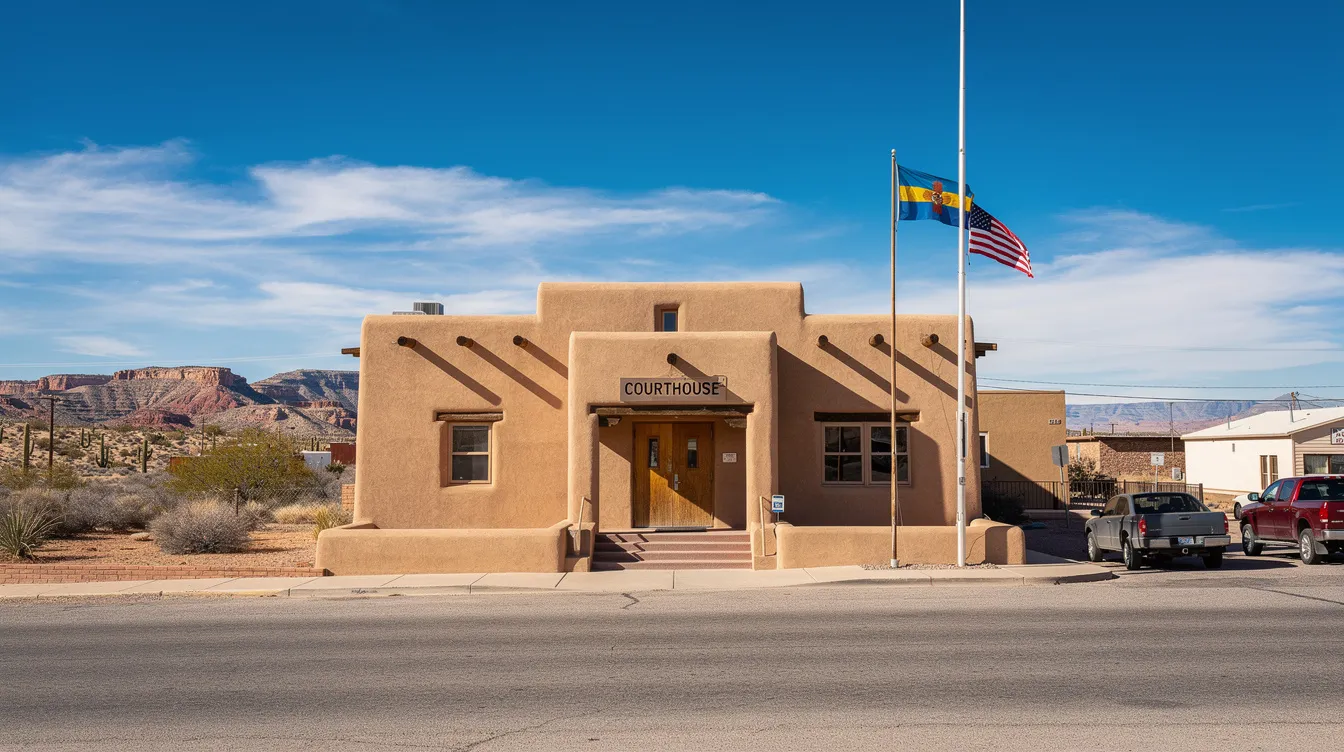
New Mexico's General Time Limit for Personal Injury Lawsuits
A statute of limitations is simply the legal clock that determines how long you have to file a lawsuit after you are injured. These time limits exist because evidence fades, witnesses forget details, and the legal process works best when claims are brought while facts are still fresh.
Under new mexico law - specifically N.M. Stat. § 37-1-8 - the standard statute of limitations for most personal injury cases is three years from the date the injury occurs. This covers the majority of personal injury claims arising from car accidents, motorcycle accidents, truck accidents, slip and fall cases, dog bites, and other general negligence scenarios.
The three-year limit starts on the date the injury occurs - not the date you hire a lawyer, not the date your insurance claim is denied, and not the date you finish medical treatment. Settlement negotiations with insurance companies do not pause, extend, or reset this clock.
Here is a concrete example: if you are injured in a car crash in Albuquerque on March 1, 2026, your filing deadline for a personal injury lawsuit would typically be March 1, 2029, unless one of the exceptions discussed below applies.
What happens if you file after the deadline? If you miss the three-year time limit, New Mexico courts will almost always dismiss the case. It does not matter how serious your injuries are, how obvious the other driver's fault was, or how high your medical bills have climbed. Once new mexico's statute of limitations expires, your legal rights to pursue compensation through the courts are effectively gone.
If you were hurt anywhere in New Mexico - Albuquerque, Las Cruces, Rio Rancho, Santa Fe, Roswell, Farmington, Hobbs, Taos, or beyond - call Shekter Rosete Law, PC at (505) 216-2510 as soon as possible so our New Mexico team can help you avoid missing the deadline.
Special Deadlines for Wrongful Death, Property Damage, and Different Claim Types
Not every injury-related claim follows the same three-year personal injury statute. Depending on the type of harm, your deadline could be shorter or longer.
Here is a breakdown of how key claim types differ:
|
Claim Type |
Deadline |
Key Statute |
|---|---|---|
|
General personal injury (car, motorcycle, truck accidents, slip and fall, dog bites, emotional distress) |
3 years from date of injury |
NMSA § 37-1-8 |
|
Wrongful death |
3 years from date of death |
NMSA § 41-2-2 |
|
Property damage (vehicle repair, personal property) |
4 years from date of damage |
NMSA § 37-1-4 |
|
Medical malpractice |
3 years from act of malpractice (occurrence-based) |
NMSA § 41-5-13 |
|
Claims against government entities |
90-day notice + 2-year lawsuit deadline |
NMTCA §§ 41-4-15, 41-4-16 |
The deadline for wrongful death claims in New Mexico is three years from the date of death, which may be later than the date the accident actually happened. These wrongful death claims are typically brought by a personal representative of the victim's estate on behalf of surviving family members after the victim's death.
Property damage claims in New Mexico have a four-year statute of limitations. That means after a car accident, the deadline for your vehicle damage claim may actually differ from the deadline for your bodily injury claim - a detail many people overlook.
Medical malpractice cases, nursing home injury and abuse claims, and certain civil rights violations can have specialized rules or statutes of repose that limit how long you have to file, even when the discovery rule might otherwise apply. These cases demand early legal analysis.
Because a single incident can generate multiple claims - personal injury, property damage, insurance bad faith, civil rights, wrongful death - you need a personal injury lawyer who can review all potential time limits together.
If your family is considering a wrongful death lawsuit after a fatal crash or medical error, call (505) 216-2510 or reach out online through our contact page to protect your legal rights.
Exceptions and Tolling: Minors, Mental Incapacity, and the Discovery Rule
New Mexico recognizes limited exceptions and "tolling" rules that can pause or shift the statute of limitations. But these rules are technical and fact-specific - they should never be assumed without legal advice from a qualified attorney.
Cases Involving Minors
The statute of limitations may be paused for minors until they turn 18. Under state law, if a child is injured - whether in a car accident, through medical malpractice, or at a nursing home - the filing deadline is generally delayed. Minors have until age 21 to file claims, giving them until their 21st birthday to bring a personal injury lawsuit. However, the specific rules vary depending on the type of claim, so cases involving minors always warrant a careful review.
Mental Incapacity
Mental incapacity tolls the statute of limitations until recovery. If an injured person is in a coma, suffers severe cognitive impairment, or is otherwise legally incompetent, New Mexico statutes such as § 37-1-10 may pause the clock until the person regains legal capacity. After capacity is restored, the individual typically has a limited additional window - often one year - to file. Mental incapacitation from a traumatic brain injury or other serious injuries can make these timelines critical.
The Discovery Rule
The discovery rule may delay the start of the statute of limitations if the injury is not immediately apparent. Under this principle, the statute of limitations may start upon injury discovery - meaning the clock does not begin running until the injured person knows, or reasonably should know, about the injury and its cause.
The discovery rule starts the statute of limitations at injury discovery, which is especially relevant for hidden injuries and latent damages. It applies to situations where harm is not immediately apparent, such as:
-
A surgical instrument left inside a patient after an operation
-
A delayed diagnosis of cancer that a competent physician should have caught sooner
-
Internal organ damage from a car crash that only shows up on later imaging
In medical malpractice, the clock starts when symptoms appear or when the patient discovers the harm - but New Mexico's Medical Malpractice Act (§ 41-5-13) also imposes an absolute three-year statute of repose from the date of the negligent act, which can cut off claims even when delayed discovery occurs. Injury claims may be filed after the discovery of harm, but only if the repose period has not already expired.
Other Exceptions
There are other exceptions worth noting. A defendant's absence from the state may extend filing deadlines in certain situations. Additionally, if a defendant engaged in fraudulent concealment - intentionally hiding an injury or their role in causing it - courts may delay when the clock begins, though this is highly fact-specific.
Even with these exceptions, early consultation with a personal injury attorney is crucial. If your child was injured, if you suffered a brain injury, or if you suspect delayed-diagnosis medical malpractice, contact Shekter Rosete Law, PC at (505) 216-2510 so we can analyze how these tolling rules apply to your specific case.

Shorter Time Limits for Claims Against New Mexico Government Entities
If the party that hurt you is a government entity - a state agency, county, city, school district, public hospital, police department, or government employees acting within their duties - you face much shorter and stricter deadlines under the New Mexico Tort Claims Act .
The 90-Day Notice Requirement
Claims against government entities require a 90-day notice. Before you can even file a lawsuit for government negligence - whether it involves a crash caused by a city vehicle, a fall on government property, police misconduct, or negligence at a public hospital - you must file a written notice of claim within 90 days of the incident.
This notice must include specific details:
-
When, where, and how the injury happened
-
The name of the government agency and employees involved (if known)
-
The amount of damages you are claiming
Missing the 90-day notice deadline bars your claim permanently in most situations. Even a minor error - sending it to the wrong office, leaving out required information - can destroy your case. Claims against government entities are subject to strict deadlines that courts enforce without exception.
The Two-Year Lawsuit Deadline
After the required notice is given, you have two years to file a lawsuit after notice - that is two years from the date of injury or death, not two years from when you gave notice. This is shorter than the standard three-year personal injury deadline.
For wrongful death claims against government entities, the notice period extends to six months, but the two-year lawsuit deadline still applies.
Damage Caps
Total damages against government entities are capped at $700,000 per occurrence. This cap makes it essential to work with experienced personal injury lawyers who know how to maximize compensation within those limits through strategic case presentation and thorough documentation of medical expenses, lost wages, and pain and suffering.
Practical Examples
-
A driver is hit by a New Mexico Department of Transportation truck outside Las Cruces on February 1, 2025. They must send written notice by May 2, 2025 (90 days) and file any lawsuit by February 1, 2027 (two years).
-
A visitor trips over a broken step at a city-owned building in Rio Rancho on April 15, 2026. Notice is due by July 14, 2026. The lawsuit must be filed by April 15, 2028.
If you were hurt by a government vehicle, at a public facility, by police misconduct, or through any form of government negligence, contact Shekter Rosete Law, PC immediately at (505) 216-2510 or send a message through our online form so the 90-day notice is not missed.
Consequences of Missing the Filing Deadline in New Mexico
Courts rarely make exceptions when a statute of limitations is missed. In most personal injury cases, all the defendant's attorney needs to do is raise the expired deadline, and the court will dismiss the lawsuit.
If you miss the filing deadline, your case may be dismissed - and with it, your right to seek compensation for:
-
Medical bills and ongoing medical treatment
-
Lost wages and diminished earning capacity
-
Pain, suffering, and emotional distress
-
Future medical expenses and care needs
Insurance companies closely track these deadlines. They may stall settlement negotiations, make lowball offers, or simply delay responding to your insurance claim - knowing that once the statute of limitations expires, they no longer face the pressure of a potential lawsuit. These tactics are designed to minimize payouts and leave you with nothing.
Consider this scenario: a person suffers serious injuries in a trucking collision in Farmington. They spend months in medical treatment, focused on recovery. By the time they think about legal action, two years and eleven months have passed. Their personal injury attorney now has almost no time to investigate, gather evidence, retain experts, or negotiate. If they wait just a few more weeks, the door closes entirely.
The serious consequences of delay are why acting early matters so much. Ideally, you should contact a personal injury lawyer within days or weeks - not months or years - after your injury. Early action gives your legal team time to build the strongest possible case and file well before the filing deadline.
Call Shekter Rosete Law, PC at (505) 216-2510 now so our team can calculate and calendar all relevant deadlines and keep your claim on track.
Important First Steps After an Injury (Before the Deadline Runs)
While statutes of limitations set the outer deadline, what you do in the days and weeks after a car accident, truck crash, motorcycle wreck, medical error, or nursing home injury can heavily influence the value of your claim and your ability to pursue compensation.
Seek Immediate Medical Attention
Always seek medical attention as soon as possible, even if injuries seem minor. Some conditions - concussions, internal bleeding, soft tissue damage - are not immediately apparent. Prompt medical treatment creates clear documentation connecting your symptoms to the incident, which is vital for your personal injury cases.
Report the Incident
-
Call law enforcement after any car crash or motorcycle accident to generate accident reports
-
Notify property owners or managers after a slip and fall
-
Report concerns to hospital administration or nursing home management when appropriate
-
Request copies of all incident or police reports for your records
Gather Evidence Early
Strong cases are built on evidence collected close to the time of the incident. You should gather evidence including:
-
Photos and video of the scene, visible injuries, vehicle damage, and dangerous conditions
-
Names and contact information of witnesses for witness statements
-
Copies of medical records documenting your injuries and treatment
-
Receipts and documentation for all medical expenses and lost wages
Protect Yourself from Insurance Tactics
Avoid giving recorded statements or signing broad releases for insurance companies - especially the at-fault party's insurer - before speaking with a personal injury attorney. Adjusters are trained to get you to say things that reduce the value of your claim or permanently bar certain recoveries.
Shekter Rosete Law, PC can step in quickly to handle communications with insurers, preserve evidence, and document losses for car accidents, motorcycle crashes, trucking collisions, medical malpractice, wrongful death, insurance bad faith, civil rights, and nursing home injury and abuse cases throughout New Mexico.
Schedule a free consultation by calling (505) 216-2510 or contact us online through this secure form .
Why Working with a New Mexico Personal Injury Lawyer Matters
New Mexico's statutes of limitations, tolling rules, notice requirements, and exceptions create a web of strict deadlines that can be difficult to navigate on your own - especially when multiple parties, government entities, or complex injuries are involved.
Experienced personal injury lawyers like Jamison Shekter and Mixcoatl "Mish" Miera-Rosete provide step-by-step guidance through every phase of the legal process - calculating deadlines, preserving evidence, dealing with insurance companies, preparing government tort claim notices, and building cases for fair settlement or trial. Both attorneys have litigated complex injury cases in New Mexico state and federal courts and bring a client-centered, trial-ready approach to every case.
Shekter Rosete Law, PC focuses on serious personal injury claims across New Mexico, including car accidents, motorcycle accidents, truck accidents, medical malpractice, wrongful death, insurance bad faith, civil rights violations, and nursing home injury and abuse. From our Albuquerque base, our New Mexico team serves clients in Las Cruces, Rio Rancho, Santa Fe, Roswell, Farmington, Hobbs, Taos, and smaller communities statewide.
We offer a free consultation and work on a contingency-fee basis - meaning you pay no attorney's fees unless we recover maximum compensation for you through settlement or verdict.
If you are unsure about your filing deadline, your legal options, or the strength of your claim, get trusted legal advice now. Call Shekter Rosete Law, PC at (505) 216-2510 or send a confidential message via our online contact form .

FAQ: Time Limits for Personal Injury Lawsuits in New Mexico
Does talking to the insurance company stop the statute of limitations from running?
No. Negotiations with insurance companies - whether your own insurer or the at-fault party's - do not pause, extend, or reset the New Mexico statute of limitations. Only specific legal events, such as actually filing a lawsuit, preserve your rights. Insurance adjusters are not required to warn you about approaching deadlines, and relying on verbal promises from an adjuster is extremely risky. The safest approach is to have an injury lawyer handle all insurer communications while tracking every filing deadline to ensure you do not lose leverage or the right to file a personal injury lawsuit.
What if I am partly at fault for the accident - should I still worry about the deadline?
Absolutely. New Mexico follows a pure comparative negligence system, meaning you may still recover fair compensation even if you are partially at fault for the accident. Your damages would be reduced by your percentage of fault - so if you are found 20% responsible, you can still recover 80% of your total damages. However, the statute of limitations applies regardless of how fault is divided. If the clock runs out, you lose your claim entirely, even if the other party was mostly responsible. If you think you might share some blame in a car accident, truck crash, or other incident, speak with a qualified attorney quickly to evaluate your case and preserve your legal action.
Can I file a lawsuit if my symptoms showed up months after the accident?
Delayed symptoms - such as neck pain, back pain, concussion effects, or psychological trauma - are common after car accidents and other personal injury scenarios. Under the discovery rule, the statute of limitations may begin when you discover the injury rather than the date of the accident, particularly when the harm was not immediately apparent. However, the safest course is to seek immediate medical attention after any incident and consult a personal injury attorney as soon as any new symptoms emerge. Do not assume you have more time than you actually do - especially in medical malpractice cases where statutes of repose may impose a hard cutoff regardless of when you notice symptoms.
How soon should I contact a lawyer after a New Mexico accident or injury?
As soon as practical - ideally within days or weeks of the incident. Early contact gives your legal team the best chance to investigate the scene, gather evidence, secure witness statements, and meet all notice and filing deadlines. This is especially critical for claims against government entities, where the 90-day written notice requirement leaves almost no room for delay. Even if considerable time has already passed since your injury, it is worth checking with an attorney to see whether the statute of limitations has expired. Many people are surprised to learn they still have time to file and seek fair compensation for their losses.
Call Shekter Rosete Law, PC today at (505) 216-2510 or reach out through our online form for a free, no-obligation review of your potential case and deadlines. The sooner you call, the more time our New Mexico team has to build your strongest case and fight for the fair settlement and financial recovery you deserve.