Can I Sue My Own Insurance Company in New Mexico? Here’s What to Know.
You pay your insurance premiums every month expecting that when something goes wrong, your insurer will hold up its end of the deal. But what happens when your own insurance company refuses to pay, drags its feet for months, or offers you far less than your claim is worth? In New Mexico, you have legal options-and they are stronger than most people realize.
Key Takeaways
Yes, in New Mexico you can sue your own insurance company for bad faith if it unreasonably delays, denies, or underpays a valid claim. This often involves first-party car, truck, motorcycle, health, homeowner's, and UM/UIM claims where your insurer fails to treat you fairly despite clear evidence supporting your right to benefits.
-
New Mexico recognizes two legal paths. You can bring a contract claim to recover the unpaid benefits your policy promises, and you can bring a bad faith claim to hold your insurer accountable for unreasonable or reckless claim handling. Policyholders may seek unpaid benefits, financial losses from delay, emotional distress damages, and in egregious cases, punitive damages.
-
Common bad faith insurance practices include failure to investigate claims promptly, unreasonable delays in processing, lowball settlement offers, misrepresenting policy terms, and unjustified claims denial. Documenting every phone call, letter, email, and denial is critical to building a strong bad faith insurance claim.
-
Shekter Rosete Law, PC represents clients statewide in insurance bad faith cases-from Albuquerque, Las Cruces, and Rio Rancho to Santa Fe, Roswell, Farmington, Hobbs, Taos, and communities across New Mexico. Consultations are free, and the firm charges no fee unless they win.
-
Don't wait to act. If you believe your own insurer is acting in bad faith, call Shekter Rosete Law, PC at (505) 216-2510 or message us online for a confidential case review at no cost.
Can I Sue My Own Insurance Company in New Mexico?
Yes, you can sue your own insurance company in New Mexico. These cases are known as first-party bad faith claims or insurance bad faith lawsuits, and they arise when your insurer wrongfully withholds benefits you paid for under your policy.
You can file suit when your insurer refuses to pay legitimate benefits such as uninsured/underinsured motorist (UM/UIM) coverage, MedPay, collision, property damage, life insurance, disability, or homeowner's insurance policy proceeds. In New Mexico, you can sue your own insurance company for breach of contract when the insurer simply refuses to honor its obligations under the insurance contract, and you can also pursue a separate bad faith claim when the insurer's conduct crosses the line from honest disagreement into unreasonable behavior.
New Mexico law has long recognized bad faith insurance claims when an insurer's refusal to pay is "frivolous or unfounded." The landmark case State Farm General Insurance Co. v. Clifton established that bad faith includes "any frivolous or unfounded refusal to pay." This standard goes beyond an honest mistake or ordinary negligence-you may sue for insurance bad faith if the insurer acts unreasonably, arbitrarily, or with reckless disregard for your rights.
Suing your own insurance company is often necessary after serious car accidents , motorcycle crashes , or truck accidents in New Mexico, especially when the at-fault driver has minimum insurance coverage or no insurance at all. In those situations, your own UM/UIM policy is supposed to protect you-but too often, the insurer refuses to pay what you are owed.
If your insurer has delayed, denied, or underpaid your claim, call Shekter Rosete Law, PC at (505) 216-2510 for a free, confidential review of your situation, or send a secure message through the firm's online contact form .
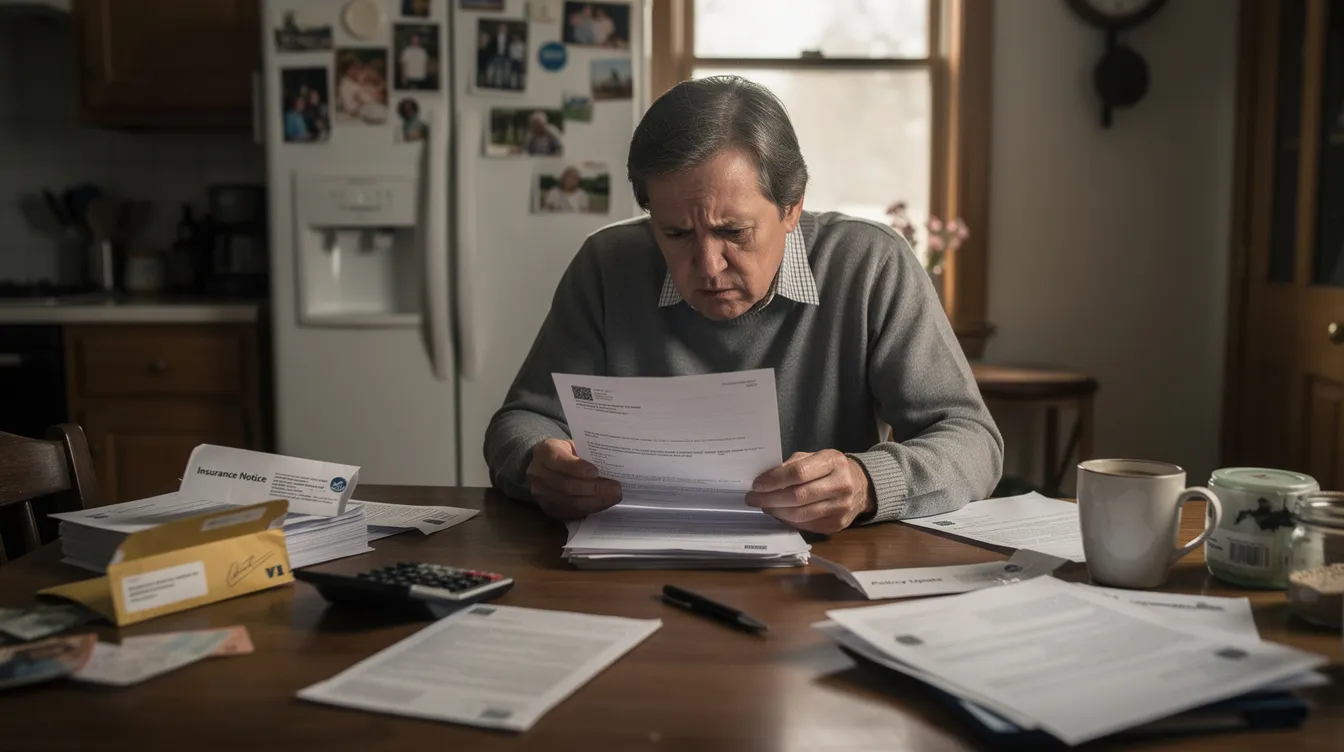
What Is "Insurance Bad Faith" Under New Mexico Law?
Insurance bad faith in New Mexico means an insurer's frivolous, unfounded, or reckless refusal to pay a claim or to treat its policyholder fairly during the claim process. New Mexico defines bad faith as frivolous claim denial-not just being wrong, but denying or delaying a claim without any arguable basis in the policy language or the facts.
Bad faith insurance claims focus on the insurer's conduct, including behavior such as:
-
Ignoring evidence that supports your claim
-
Failing to conduct a reasonable investigation
-
Creating unreasonable delays in processing or paying your claim
-
Misrepresenting policy provisions or coverage terms to justify a denial
-
Offering a clearly inadequate (lowball) settlement when liability is reasonably clear
-
Requiring redundant forms or documentation already submitted
-
Refusing to affirm or deny coverage within a reasonable time frame
New Mexico recognizes both statutory bad faith and common-law bad faith. Statutory bad faith arises under the New Mexico Unfair Claims Practices Act, NMSA § 59A-16-20 , which lists specific prohibited insurer practices. New Mexico insurers must act in good faith per the Unfair Claims Settlement Practices Act, and insurers can face penalties for violating the New Mexico Unfair Insurance Practices Act. Common-law bad faith comes from the implied covenant of good faith and fair dealing that exists in every insurance contract-a duty judges have recognized for decades.
Bad faith requires more than a simple disagreement over value. The insurer's position must lack a reasonable explanation or be pursued with reckless disregard for the policyholder's rights. An insurer that denies a claim under a genuinely ambiguous policy provision may not be acting in bad faith, but an insurer that ignores clear medical records or fabricates reasons for denial almost certainly is.
In especially egregious cases, new mexico law allows punitive damages to punish and deter common bad faith tactics. Repeated delays, deceptive explanations, or fabricated reasons for denial can all support a punitive damages claim.
Common Bad Faith Insurance Practices and Examples
Recognizing common bad faith tactics is the first step toward protecting yourself. Insurance companies employ trained adjusters, defense attorneys, and internal guidelines designed to minimize payouts. Understanding why insurance companies delay settlements can help you spot problems early.
Here are common examples of bad faith insurance practices that New Mexico policyholders encounter:
-
Failure to investigate: An insurer refuses to review medical records after a rear-end crash in Albuquerque, or delays sending an adjuster to inspect wildfire damage near Ruidoso for months. Insurers must investigate claims promptly under new mexico law-repeated failure to do so is a red flag.
-
Unreasonable delays: Your UM/UIM claim sits untouched for six months or longer with no communication. Insurers often delay investigations without explanation, and new mexico law requires insurers to respond to claims within a reasonable time.
-
Unjustified denial: Your claim is denied despite clear evidence of coverage. Unjustified claims denial is a common bad faith tactic, especially when the insurer denied your claim without citing specific policy language. Valid claims may be denied by insurers even when they lack a legitimate basis for doing so.
-
Lowball settlement offers: After a catastrophic truck accident, the insurer offers a fraction of your documented medical bills and lost income. Lowball settlement offers may suggest bad faith practices, particularly when the insurer knows the true value of your claim. Insurers must make fair settlement offers when liability is clear.
-
Misrepresenting policy terms: Your insurer tells you a benefit doesn't exist or that an exclusion applies when it does not. New Mexico law prohibits insurers from misrepresenting policy terms to deny coverage.
-
Refusing to settle within policy limits: In third party claims, the at-fault driver's insurer refuses to fairly settle even when liability is obvious, exposing its own insured to excess judgment.
-
Ignoring communication: Your adjuster stops returning phone calls, emails go unanswered for weeks, and your claim file seems to disappear. Ignoring communication can indicate bad faith by insurers.
These tactics can occur in first party claims under your own policy-including car, motorcycle, truck, life, disability, health, or homeowner's coverage-and similar conduct can arise in third-party liability handling.
The human cost of these practices is real. Prolonged delays and unfair denials cause missed mortgage payments, growing medical bills, credit damage, and ongoing pain without treatment. Many policyholders experience significant emotional distress simply because their insurer refused to handle claims fairly.

First-Party vs. Third-Party Bad Faith in New Mexico
Understanding the difference between first party bad faith and third party bad faith helps clarify your legal options. This article focuses primarily on first-party lawsuits-cases where you sue your own insurer-but both types matter.
First-Party Bad Faith
First-party claims involve your own insurance company. These claims arise when your insurer fails to pay benefits you are entitled to under your own policy, such as:
-
UM/UIM coverage after a car accident with an uninsured driver
-
MedPay benefits for medical bills after a motorcycle crash
-
Collision or comprehensive coverage for vehicle repairs
-
Homeowner's insurance policy proceeds after fire, storm, or theft
-
Life or disability benefits after a qualifying event
New Mexico courts have long held that an insurer breaches the implied covenant of good faith and fair dealing when it frivolously or unfoundedly refuses to pay a valid first-party claim, or when it creates unreasonable delays in paying benefits. The insurer's legal duty runs directly to you, the policyholder.
Third-Party Bad Faith
Third party claims involve another driver's insurance company. Third party bad faith typically arises when the at-fault party's insurer unreasonably refuses to settle within policy limits or fails to defend its insured, sometimes forcing an injured person into prolonged litigation. In Hovet v. Allstate Ins. Co. , the New Mexico Supreme Court recognized that a third-party claimant may have rights under NMSA § 59A-16-30 when the insurer fails to make a good faith settlement effort.
Both first-party and third-party bad faith claims may allow recovery of more than just the original policy benefits, including compensatory damages and sometimes punitive damages. However, the focus of this page is on what happens when your own insurer turns against you.
How Do I Know If I Have a Bad Faith Claim Against My Insurer?
Not every denial is bad faith. Insurance companies are allowed to disagree about the value of a claim or to investigate before paying. But distinguishing a legitimate dispute from bad faith conduct requires looking at the insurer's conduct over time-patterns matter.
Watch for these red flags:
-
Repeated delays with no clear reason or reasonable explanation for the holdup
-
"Lost" paperwork that you already submitted, sometimes more than once
-
Constantly changing adjusters so no one takes responsibility for your file
-
Refusal to return phone calls or respond to written communication
-
Denial letters that do not cite specific policy language or facts
-
Settlement offers far below your documented medical bills after a serious crash
-
Requests for redundant medical records or forms you have already provided
-
An insurer that insured files a denial without ever speaking to your treating doctors
These patterns frequently appear in cases involving car accidents , motorcycle crashes, truck wrecks, personal injury claims with MedPay or UM/UIM components, and even property damage from collisions or nursing home negligence incidents. Bad faith claims can arise from unjustified claim denials across virtually every type of insurance coverage.
One of the most effective things you can do is keep a detailed timeline of events: dates of the accident, claim submission, each call, each letter, and each denial or lower settlement offer. Maintaining detailed records of communication with insurers is important for claims and can help an insurance bad faith lawyer determine whether the standard for bad faith is met.
If any of this sounds familiar, contact Shekter Rosete Law, PC for a free evaluation of whether a bad faith insurance claim exists. Call (505) 216-2510 or reach out through the firm's contact form .
Damages You Can Recover in a New Mexico Bad Faith Insurance Lawsuit
Suing your own insurance company may allow you to recover compensation far beyond just the original unpaid benefits if bad faith is proven. New Mexico courts and statutes provide several categories of recovery.
-
Contract Damages: Contract damages equal the amount owed under the policy-the benefits your insurer wrongfully denied or underpaid. This could be unpaid UM/UIM limits after a catastrophic truck accident, denied homeowner's fire loss benefits, or withheld disability payments. These are the baseline: you get what your insurance policy promised.
-
Consequential Financial Losses: Financial losses caused by the insurer's misconduct are recoverable. This includes late fees, credit damage, out-of-pocket medical expenses you had to cover yourself, rental car costs, additional property damage from delayed repairs, and lost income from inability to work while waiting for benefits. Unreasonable delay in claim payment can be grounds for legal action against insurers precisely because these cascading harms are foreseeable.
-
Compensatory Damages: Compensatory damages include medical bills and lost income directly flowing from the insurer's failure to pay. When your insurer's delay forces you to forgo treatment or miss work, those losses belong in your claim.
-
Emotional Distress Damages: Emotional distress damages are recoverable in bad faith cases under new mexico law, even without a separate physical injury caused directly by the insurer's conduct. When an insurer's unreasonable denials leave you unable to pay for surgery, worried about losing your home, or unable to sleep from stress, those harms are compensable.
-
Punitive Damages: New Mexico allows punitive damages for reckless insurer conduct. Under the standard established in Sloan v. State Farm , punitive damages may be awarded when the insurer acted with reckless disregard, oppression, or malice toward the policyholder. In bad faith disputes, punitive damages may be awarded for egregious conduct, and New Mexico places no statutory cap on punitive damages in private bad faith actions.
-
Attorney's Fees and Costs: Attorney's fees may be awarded if the insurer acted unreasonably, under NMSA § 59A-16-30. An experienced bad faith claim lawyer can evaluate every category of damages in your specific case to ensure nothing is left on the table.

How Shekter Rosete Law, PC Helps with Bad Faith Insurance Claims
Shekter Rosete Law, PC is a New Mexico-based firm that represents individuals and families-never insurance companies-in serious injury and insurance bad faith litigation. When your own insurer turns its back on you, the firm fights to recover damages and hold the insurer accountable.
Founding partners Jamison Shekter and Mixcoatl "Mish" Miera-Rosete are trial lawyers based in Albuquerque who handle insurance bad faith cases statewide, including Albuquerque, Las Cruces, Rio Rancho, Santa Fe, Roswell, Farmington, Hobbs, Taos, and smaller communities across New Mexico. Both earned their law degrees from the University of New Mexico School of Law and have devoted their careers to representing injured people against powerful institutions.
The firm's approach to bad faith insurance claims includes:
-
Reviewing your insurance policy and denial letters to identify violations
-
Auditing your entire claim file for evidence of unreasonable delays, fabricated reasons, or missing investigation steps
-
Gathering medical records, financial documentation, and expert opinions to build your case
-
Sending formal demands to the insurer with specific statutory and contractual citations
-
Filing complaints with the New Mexico Office of Superintendent of Insurance when appropriate
-
Litigating aggressively in state or federal court if the insurer refuses to pay what is owed
The firm regularly handles cases involving car accidents, motorcycle crashes, truck accidents, medical malpractice , personal injury , wrongful death , civil rights , and nursing home injury & abuse -areas where insurance bad faith often overlaps with the underlying injury claim.
Consultations are always free, and the firm works on a contingency-fee basis, meaning clients do not pay attorney's fees unless the firm successfully recovers money from the insurance company.
Call (505) 216-2510 or message the firm online to discuss whether your insurer's conduct may amount to insurance bad faith.
Steps to Take if You Suspect Bad Faith by Your Own Insurer
Early, organized action can significantly strengthen a potential bad faith insurance claim in New Mexico. The more evidence you preserve now, the harder it becomes for your insurer to claim its conduct was reasonable.
Here is what you should do:
-
Preserve every piece of communication. Keep copies of all letters, emails, and text messages with adjusters. Document every phone call with the date, time, person you spoke with, and a summary of what was discussed. Insurers must communicate clearly and avoid unreasonable delays-your records will show whether they did.
-
Organize your medical and financial records. Store photos of injuries and property damage, medical records from all providers, repair estimates, receipts for out-of-pocket expenses, and proof of lost income. These documents form the backbone of both your personal injury claim and any bad faith case.
-
Do not sign broad releases or accept lowball settlements without legal advice. This is especially important in serious car, motorcycle, or truck accidents with ongoing medical treatment. Once you sign, it may be extremely difficult to recover additional compensation. You can file a complaint with the New Mexico Office of Superintendent of Insurance if you believe your insurer is violating the law.
-
Request written explanations for every denial or delay. Ask your insurer to cite the specific policy language and facts supporting its position. If those reasons turn out to be unfounded, this written record becomes powerful evidence that the insurer denied your claim without a legitimate basis.
-
Exhaust internal appeals when appropriate. Internal appeals should be considered before taking legal action against an insurer, as they can create additional documentation of unreasonable conduct and strengthen your eventual lawsuit.
-
Contact a New Mexico bad faith insurance attorney as early as possible. Deadlines matter. The statute of limitations for contract claims on a written insurance policy is generally six years under NMSA § 37-1-3, but other deadlines-including policy-imposed time-to-sue clauses-may be shorter. Missing a deadline can destroy an otherwise strong case.
Call Shekter Rosete Law, PC at (505) 216-2510 or use the firm's online form so an attorney can review your claim timeline and advise on next steps.

Why Hire a New Mexico Bad Faith Insurance Lawyer Instead of Handling It Alone?
Insurance companies have teams of adjusters, defense lawyers, corporate guidelines, and claim manuals-all designed to minimize what they pay you. When your insurance company refuses to handle claims fairly, going up against that machinery alone puts you at a serious disadvantage.
Here is how an experienced bad faith attorney levels the playing field:
-
Deep knowledge of new mexico law. Bad faith attorneys understand the statutes, court interpretations, jury instructions, and new mexico courts' evolving standards for what constitutes unreasonable insurer conduct. They know the difference between a fairly debatable denial and one that crosses into bad faith.
-
Accurate claim valuation. A lawyer can value both the underlying personal injury claim-whether it stems from a car accident, motorcycle crash, truck wreck, medical malpractice incident, nursing home abuse, or wrongful death-and the accompanying bad faith claim. Without this analysis, policyholders often unknowingly accept far less than the law allows. Understanding the full range of damages you can recover is essential.
-
Trial preparation that creates leverage. Shekter Rosete Law prepares each case as if it may go to trial. Through discovery, the firm obtains internal emails, claim manuals, adjuster notes, and corporate directives that often reveal patterns of bad faith insurance practices-evidence an individual policyholder would never see on their own.
-
Statewide litigation capability. The firm's experience in both state and federal courts allows them to handle complex first party and third party bad faith claims, including high-value UM/UIM disputes and catastrophic claims involving life-altering injuries.
-
No upfront cost. Because the firm works on contingency, you pay nothing unless they recover money for you. The insurer's resources should not intimidate you out of pursuing what you are owed.
Before you respond to another call or letter from your insurer, contact Shekter Rosete Law, PC at (505) 216-2510 or reach out online at the firm's contact page for guidance.
FAQ: Suing Your Own Insurance Company in New Mexico
How long do I have to sue my insurance company for bad faith in New Mexico?
Deadlines-known as statutes of limitation-vary depending on whether your claim is framed as breach of an insurance contract, common-law bad faith, or a violation of the statutory unfair settlement practices provisions, and whether it involves auto, homeowner's, or another type of policy. For written contract claims, new mexico statute NMSA § 37-1-3 generally provides a six-year limitation period. However, some claims may need to be filed within a shorter window depending on how the bad faith is characterized, and some policies contain their own "time to sue" clauses that can shorten the deadline further.
The clock typically starts running when the insurer denies or fails to pay your claim-not from the date of the underlying accident. Because mexico courts analyze accrual differently depending on the theory, you should not wait to seek legal advice. Contact a New Mexico bad faith attorney promptly to analyze the specific time limits that apply to your situation.
Can I still sue if I accepted a partial payment from my insurer?
Accepting partial benefits does not automatically waive a bad faith claim. This is especially true if the insurer used pressure, misrepresentation, or delay tactics to force you into accepting an unfairly low amount. Many policyholders accept a partial payment simply because they are desperate for help with medical bills or property repairs-that does not mean your insurer gets a free pass for its conduct.
However, any releases or settlement agreements you signed must be carefully reviewed to determine whether future claims were waived and whether the release itself might be challenged as unconscionable or procured through bad faith. If you accepted a lower settlement under pressure, have an attorney review your paperwork to see if more compensation is still possible.
Does bad faith only apply to auto insurance in New Mexico?
No. Insurance bad faith can apply to many types of policies, not just auto coverage. New Mexico mexico recognizes bad faith claims involving auto (UM/UIM, MedPay, collision), homeowner's, renter's, life, disability, health, and sometimes commercial policies.
Common examples beyond auto include wrongful denial of a disability claim after a workplace injury, underpayment of a fire loss on a homeowner's policy, unreasonable delay in paying life insurance benefits after a wrongful death, or refusal to cover medically necessary treatment under a health plan. Shekter Rosete Law, PC evaluates bad faith insurance claims across a wide range of policy types and can advise you regardless of the type of insurance coverage involved.
Will my insurance premiums automatically go up if I sue my own insurer?
While insurers consider many factors when setting premiums, policyholders should not let fear of potential rate increases stop them from enforcing their legal rights when an insurer acted unreasonably. In many serious injury cases, the financial harm from unpaid or delayed benefits-mounting medical bills, credit damage, lost income-far exceeds any speculative premium impact.
New Mexico law exists to protect policyholders, and insurers are prohibited from retaliating against you simply for exercising your rights. Discuss concerns about future coverage or premium changes with a New Mexico bad faith attorney as part of your overall strategy.
How much does it cost to hire Shekter Rosete Law, PC for a bad faith insurance case?
Shekter Rosete Law, PC handles bad faith insurance claims on a contingency-fee basis. That means you do not pay attorney's fees upfront and only owe fees if the firm recovers money for you. Initial consultations are always free, and during that meeting the attorneys will explain the fee structure, anticipated case costs, and what to expect throughout the process.
A final word: if your insurer has unfairly denied, delayed, or underpaid your claim, time is not on your side. Evidence degrades, deadlines pass, and insurers count on you giving up. Call (505) 216-2510 or contact Shekter Rosete Law, PC online to schedule a no-obligation consultation about your bad faith insurance claim today.